WATCHMaking the Invisible Visible
The Future of Semiconductor Materials: A Driving Force for Growth through Cross-Border Collaboration between Japan and Canada
Near Montreal, Quebec, the production site of Innovation DIC Chemitronics Inc. (IDC) continues to manufacture semiconductor materials that support advances in society.
At this facility, the DIC Group undertook a major project to significantly expand production capacity without interrupting its around-the-clock operations. Supporting the effort was close cross-border collaboration between teams in Japan and Canada.
As AI, IoT, and vehicle electrification advance, semiconductor materials are expected to meet increasingly demanding requirements for quality and supply capacity. The value they provide is supported not only by the materials themselves, but also by the people who confront challenges on the ground and by the strength of the DIC Group working across locations. Through IDC’s NOBEL Project, this article explores how “One DIC” took shape at the site.
The Biggest Challenge Begins at a 24/7 Operating Site
In June 2023, DIC acquired Canada-based PCAS Canada Inc., which was relaunched as Innovation DIC Chemitronics Inc. (IDC), a wholly owned DIC subsidiary.
IDC has long supported the North American and European markets with high-purity synthetic resins, particularly photoresist polymers.
Three months after its new start, IDC launched the NOBEL Project in September 2023 to significantly expand production capacity. IDC’s largest-ever capital investment included a new plant as well as expanded warehouse and office space.
The greatest constraint, however, was clear: operations could not stop. More than 500 workers and numerous suppliers were involved on site, requiring constant coordination on a daily basis. The schedule was extremely tight, and strict budget control was critical throughout the project. Expanding facilities while maintaining 24/7 production posed an unprecedented challenge for the site.
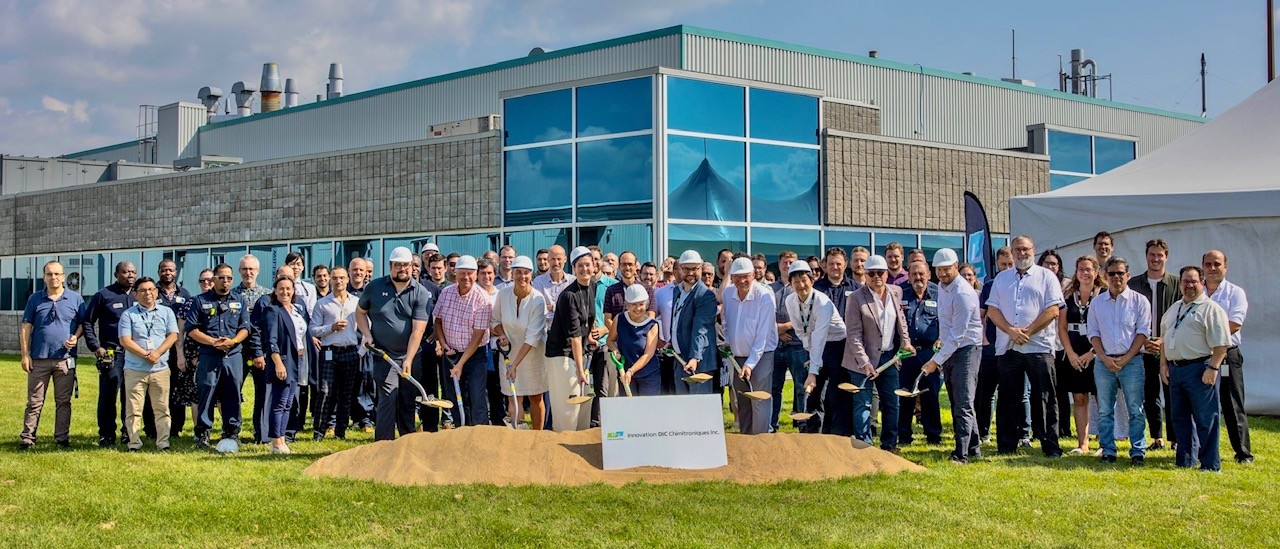
▲The September 5, 2023, groundbreaking ceremony marked IDC's most significant expansion and modernization project to date.
How Two Sites in Japan and Canada Came Together
What made this challenge possible was close, day-to-day collaboration between teams in Japan and Canada. From equipment planning and quality management to process design, DIC’s project support teams from Japan worked directly with IDC members, engaging in continuous discussion on the ground.
Reflecting on that period, Francis Belanger, President and Site Director of IDC, recalls:
“This was the biggest challenge in IDC’s history. We were able to overcome it thanks to strong support from DIC’s project teams in Japan.”
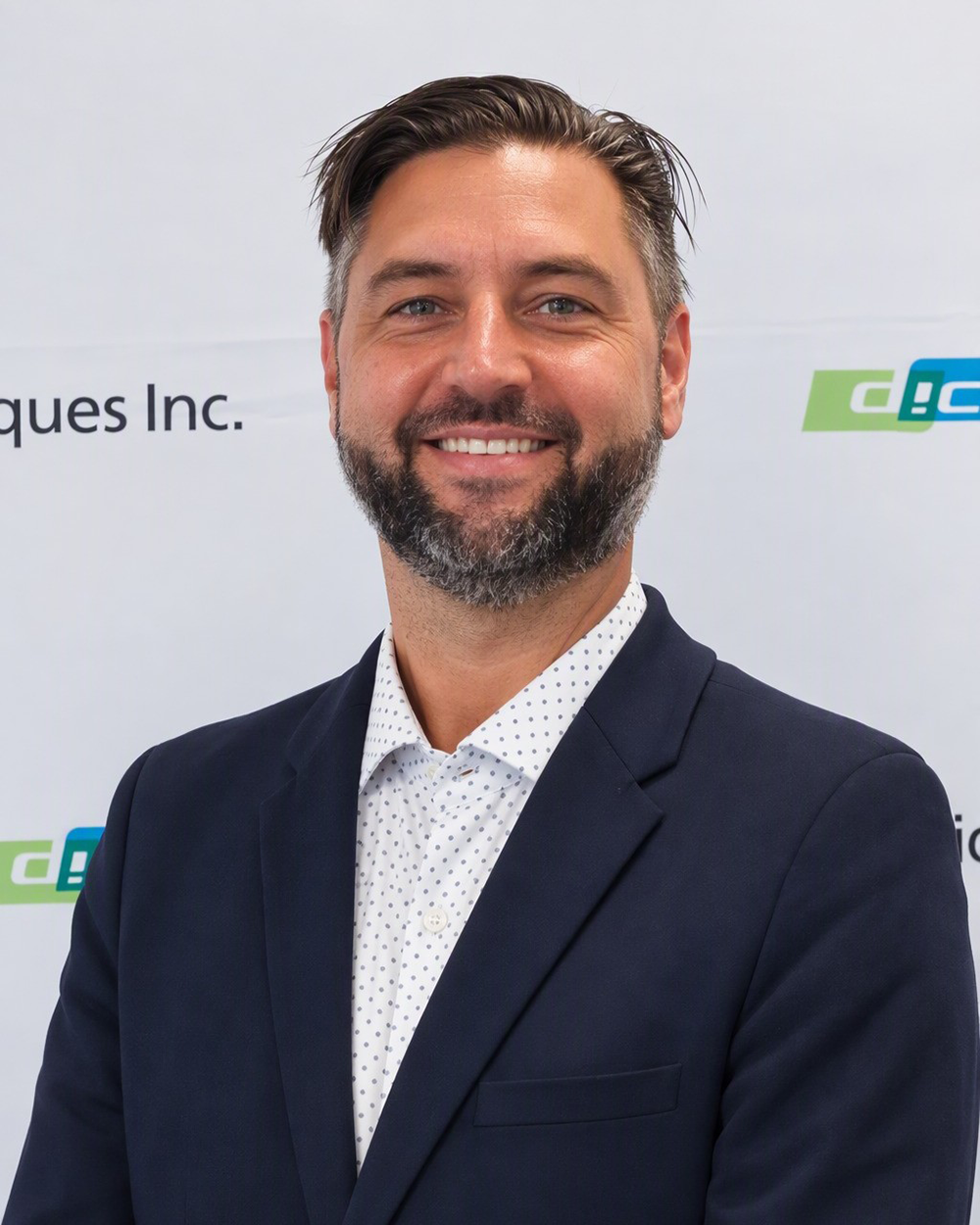
▲Francis Belanger
President and Site Director
Innovation DIC Chemitronics Inc.
Francis Belanger graduated in Organic Chemistry at Université de Sherbrooke in 2005. After working at Eisai in USA on large-scale synthesis of an anticancer drug (Halaven), he joined St-Jean Photochemicals (PCAS Canada) in 2007 as R&D chemist for process development of printed electronic materials. In 2014, he became global market manager for electronics at PCAS Canada. In 2022, he was promoted to President and Site Director and held this role at Innovation DIC Chemitronics since the acquisition in June 2023.
What Francis emphasized most was the idea that everyone should act as an “owner” of the project. Each team member was expected to take full responsibility for suppliers, budget, and scheduling, enabling faster and more autonomous decision-making.
DIC provided practical support, including operational know-how, templates, and training for project management, helping to strengthen execution capabilities on site.
Cross-border collaboration went far beyond project management. The sharing customer insights and technical trends between DIC—strong in Japan and Asia—and IDC—deeply rooted in North America and Europe—significantly strengthened their overall responsiveness.
“Our collaboration with DIC has expanded our ability to respond to customers. By combining DIC’s presence in Japan and Asia with IDC’s strengths in North America and Europe, we’ve created strong synergies. To meet growing demand from AI, 5G, and the automotive industry, we are accelerating development of next-generation semiconductor materials.”
With sites directly connected and challenges openly shared, both the speed of decision-making and execution steadily improved.
A Shift in the Atmosphere on the Ground
After nearly two years of effort, the results became tangible.
In September 2025, IDC’s new plant was completed, equipped with state-of-the-art production systems and capable of supplying high-purity materials around the clock with greater stability.
Yet for Francis, the most significant change went beyond equipment or output.
“With this project’s success, we can now supply high-quality products more stably. Employee motivation is extremely high, and our teams take pride in working with DIC. Teamwork across cultural differences has become one of our greatest strengths.”
Throughout the project, the plant continued operating 24 hours a day, seven days a week. Managing daily production while executing a large-scale investment project placed significant pressure on the organization, making the achievement even more meaningful.
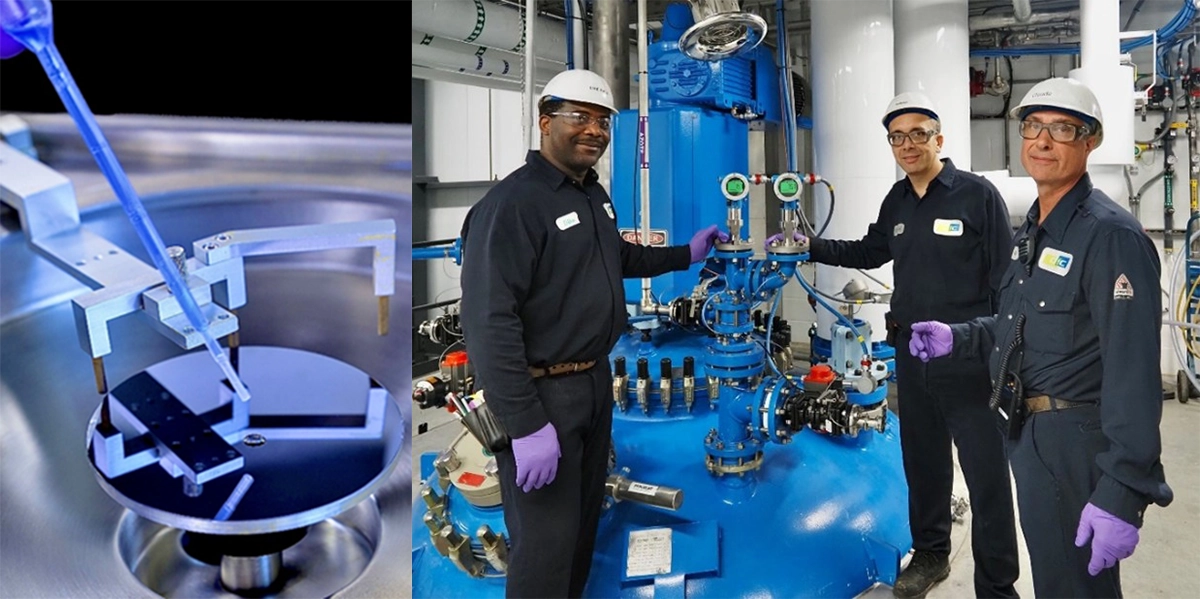
▲From the lab to manufacturing facilities, IDC features state-of-the-art equipment and dedicated expert personnel.
Systems That Connect Culture and People
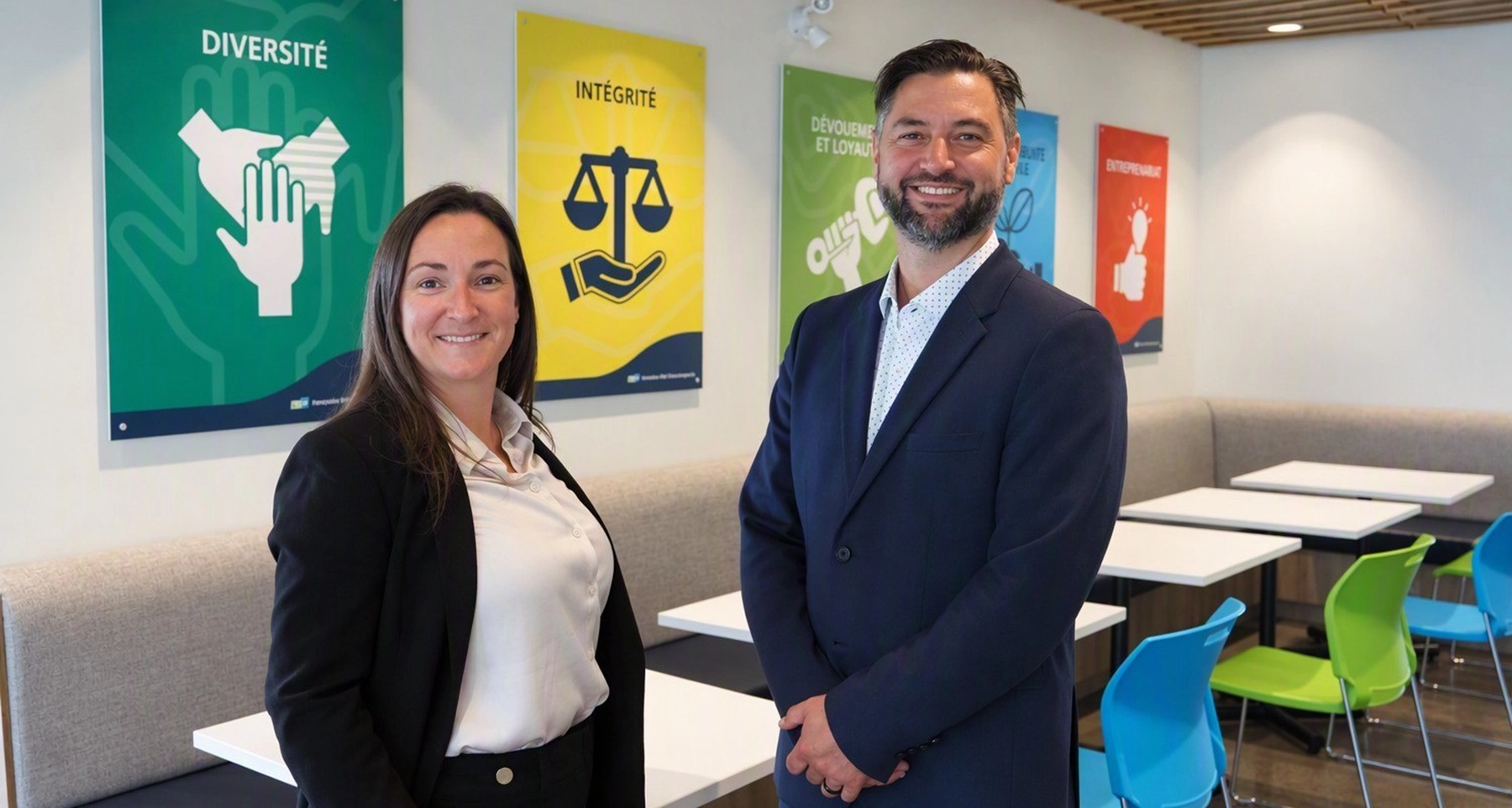
Supporting this collaboration was not only equipment and systems. At IDC, equal emphasis has been placed on fostering a culture that empowers employees to take on challenges while moving toward a shared goal. Isabelle Lestage, Senior Manager responsible for Strategy Development, Compliance, and Communications, has helped create an environment where employees can embrace the principles of The DIC Way in their daily work. As part of this effort, the five behavioral guidelines that form the foundation of DIC Group's management philosophy are displayed throughout the cafeteria as "Core Value Cards," encouraging employees to reflect on and share these values on a daily basis.
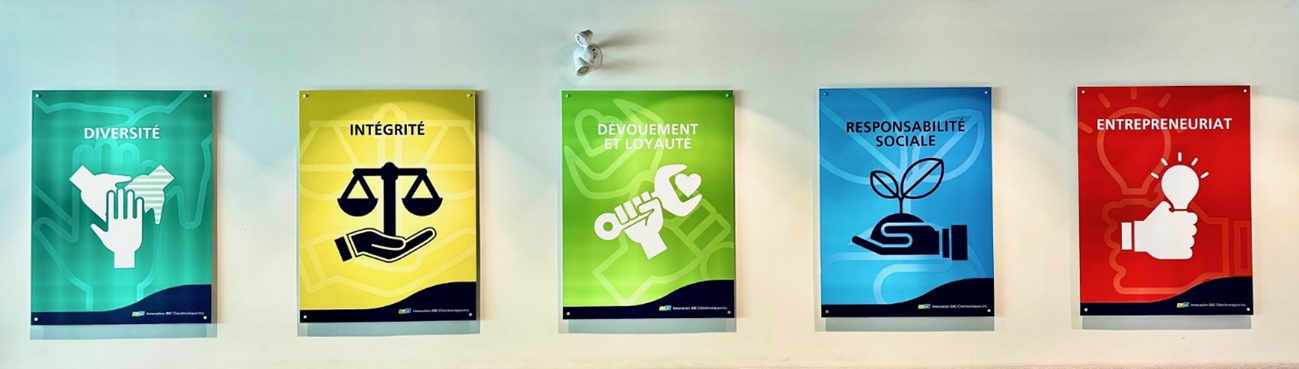
▲IDC's ‘Core Value Cards’ program incorporates the five core values of The DIC Way.
IDC also regularly holds "Kaizen Break" sessions, where employees are encouraged to openly exchange ideas and discuss opportunities for improvement. Ideas generated on the shop floor are used to identify operational challenges and are quickly translated into concrete actions, creating a culture of continuous improvement driven by employees themselves.
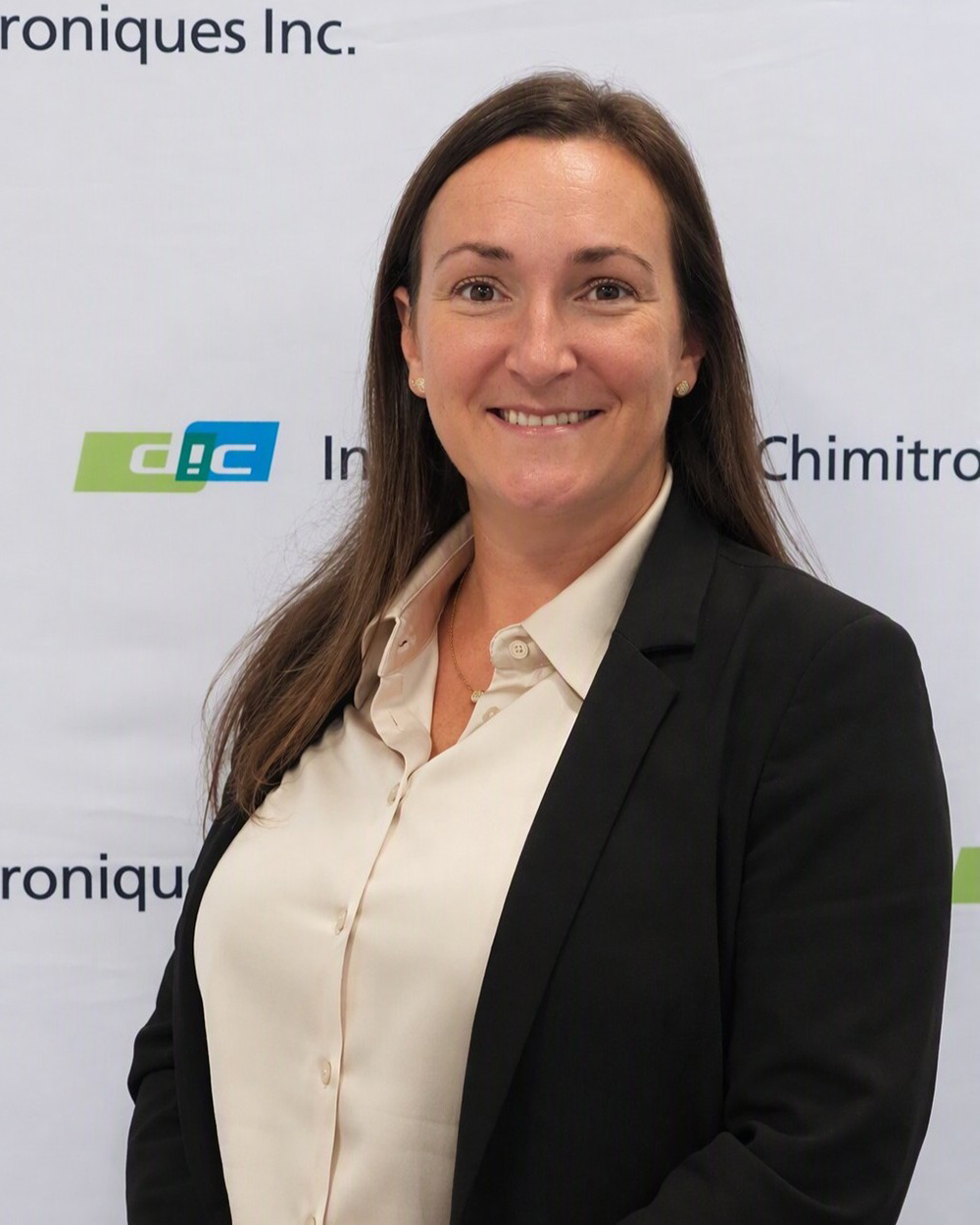
▲Isabelle Lestage
Senior Manager Strategic Development, Compliance and Communications
Innovation DIC Chemitronics Inc.
Isabelle Lestage graduated in Business Administration from the University of Québec in Montréal. With over 20 years of experience in Human Resources Management and Corporate Communications, she joined Innovation DIC Chemitronics in January 2022. Since October 2024, she has been leading the strategic development of the St-Jean-sur-Richelieu site while fostering a strong and cohesive corporate culture.
Monthly newsletters, training programs, and internal recognition programs further helped make individual contributions visible.
In Canada, a culture of celebrating achievements is deeply rooted, and at IDC, communication activities that strengthen connections among employees are an integral part of everyday work.
Isabelle continues:
“We place great importance on creating an environment where each employee feels that they are contributing to the company’s success.”
Over time, these initiatives took root as culture. Continuous improvement ideas emerged on the ground, directly enhancing efficiency, quality, and ultimately the success of the NOBEL Project.
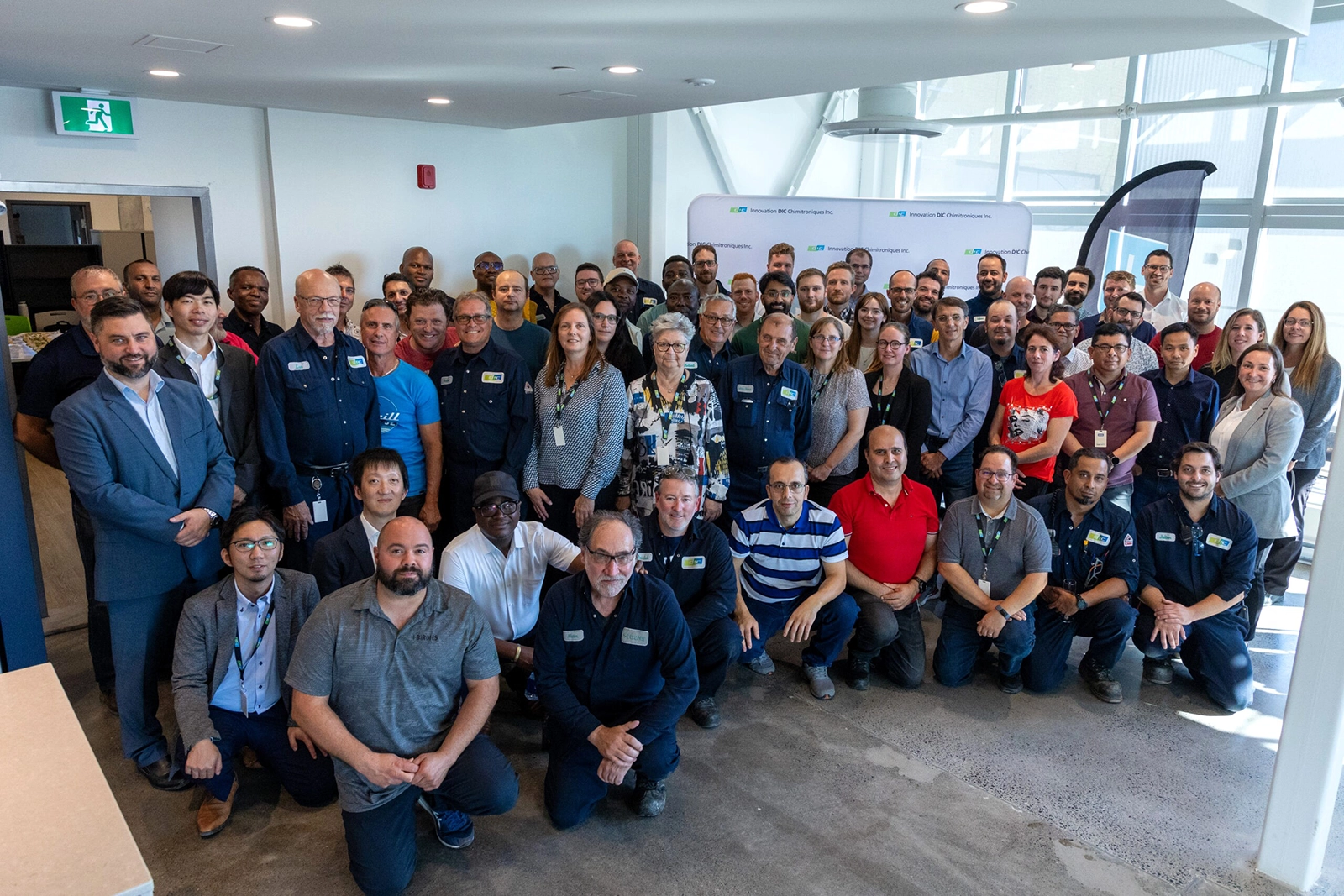
▲IDC is actively engaged in internal communication and team-building activities.
New Value Created by Japan and Canada
Reflecting on the project as a member of the Japanese project team that provided support, Yutaka Sato, General Manager of the Chemitronics Marketing Department, shares what stood out to him on the ground:
“What the project reaffirmed for me was IDC’s outstanding technical capabilities and strength on the ground. Its success was driven by the Canadian team, whose members continued to take ownership and embrace the challenge of achieving the major goal of expanding the facilities.”
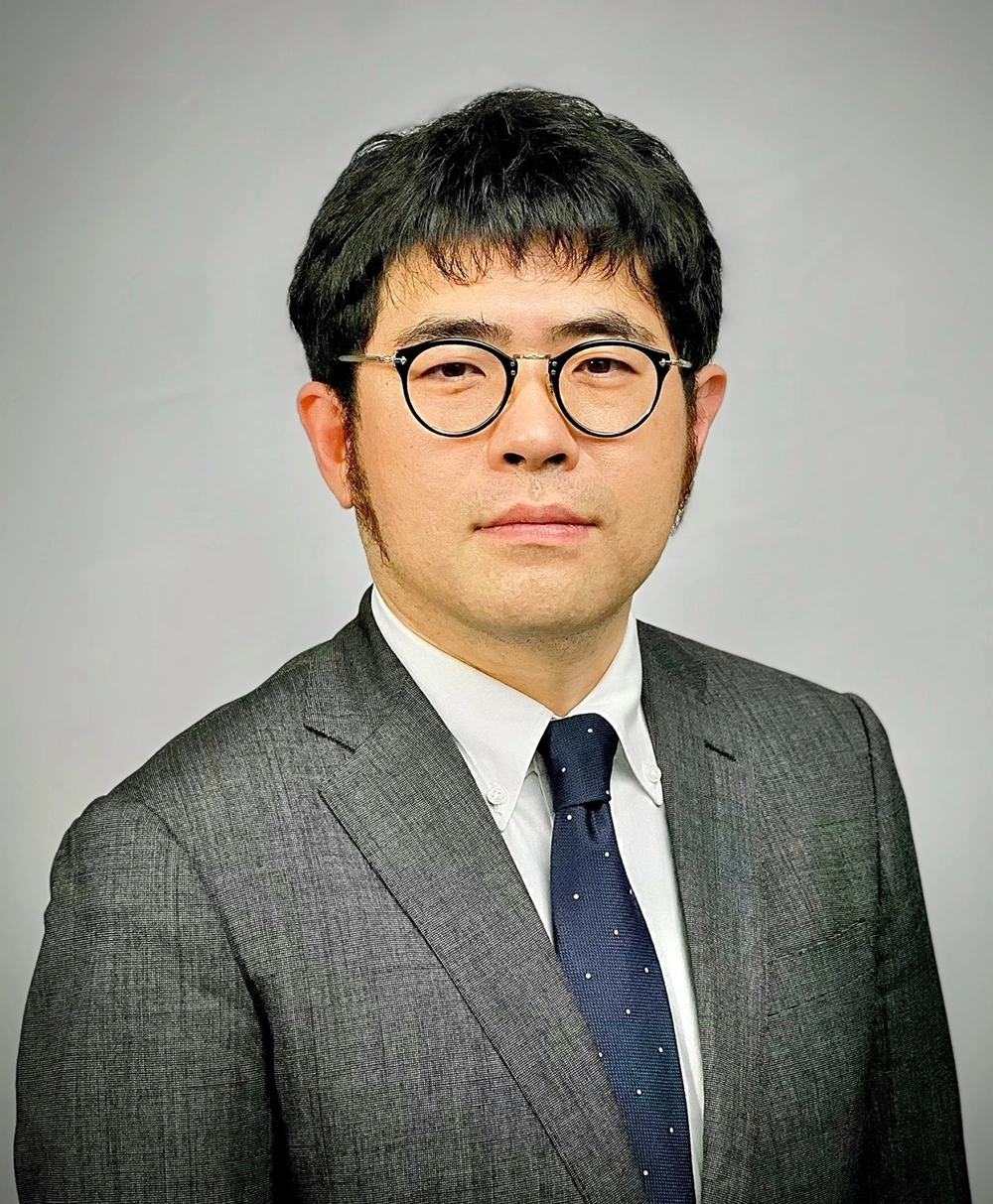
▲Yutaka Sato
General Manager, Chemitronics Marketing Department
DIC Corporation
Sato joined Dainippon Ink & Chemicals (now DIC) in 2004. After serving as a senior researcher in the Polymer Technology Division and as a manager in the Corporate Planning Department, he assumed his current position in 2024.
The semiconductor market requires materials offering increasingly high levels of performance and quality.
In this environment, IDC’s production technologies for high-purity materials are an important strength for the DIC Group as a whole.
Sato describes the value created by collaboration between Japan and Canada from his perspective as a project member.
“DIC has accumulated extensive expertise in semiconductor materials, including technology, quality assurance, and customer support. IDC, meanwhile, brings production technologies and mass-production expertise cultivated over many years, together with strong capabilities on the ground. By combining our respective strengths, I believe we can provide value that neither company could create on its own.”
The NOBEL Project brought together the expertise and on-site capabilities of members in Japan and Canada around a shared goal. The experience has deepened collaboration between the two locations and created a foundation for future challenges.
Creating Value Together with Customers: The Future of Chemitronics
Viewing these changes at the sites and in the business from a DIC Group-wide perspective is Minoru Hara, Executive Officer and General Manager of the Chemitronics Business Division.
“DIC is evolving from a company that supplies materials to the electronics industry, including the semiconductor sector, into one that creates value together with customers. Our collaboration with IDC in Canada is a clear symbol of this evolution.”
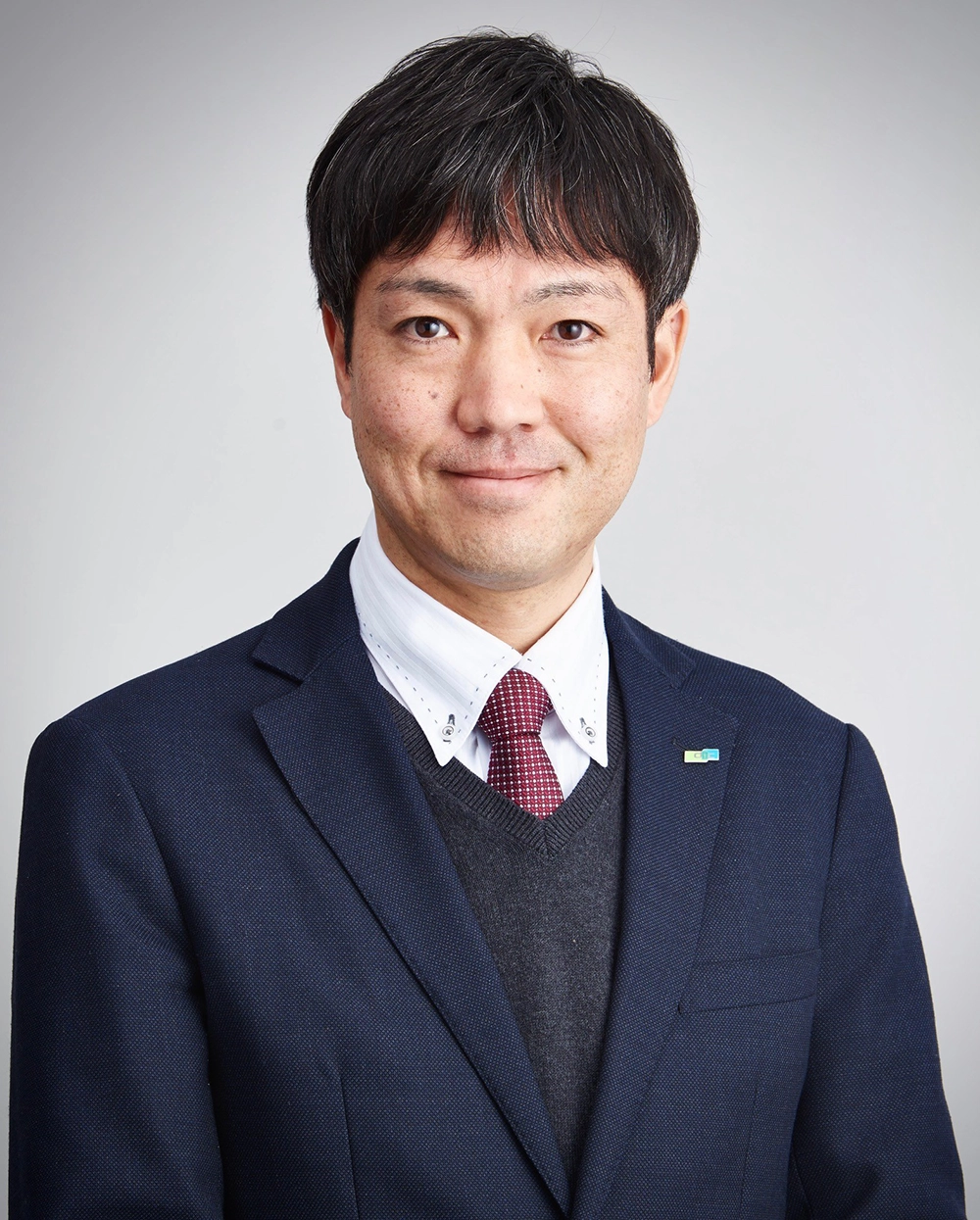
▲Minoru Hara
Executive Officer
General Manager, Chemitronics Business Division
DIC Corporation
Hara joined Dainippon Ink & Chemicals (now DIC) in 2001. After serving as General Manager of the VT Promotion Group in the Performance Materials Products Division and as President of Pardic Jaya Chemicals in Indonesia, he became General Manager of the Chemitronics Business Division in 2024 and was appointed Executive Officer in 2026.
He continues:
“In semiconductor materials, what matters is not simply competition based on quality or cost, but the quality of the relationship and how deeply we can understand and share our customers’ challenges. We aim always to be a partner that works with customers to solve those challenges. To achieve this, we are building a structure that listens to voices from the ground and responds with speed.”
For Hara, Chemitronics is more than a technical concept that combines chemistry and electronics. Connecting sites across borders and working together to address and solve customer challenges is the way the DIC Group creates further value in the Chemitronics field.
▲DIC Chemitronics is fostering semiconductor development through materials innovation.
The Future Is Powered by People and the Strength of the Site
IDC’s new plant has been completed and continues to operate around the clock.
However, the NOBEL Project left behind more than new facilities and increased production capacity. Its greatest achievements were the experience of taking on a common goal across national and cultural differences, and the relationships of trust built in the process.
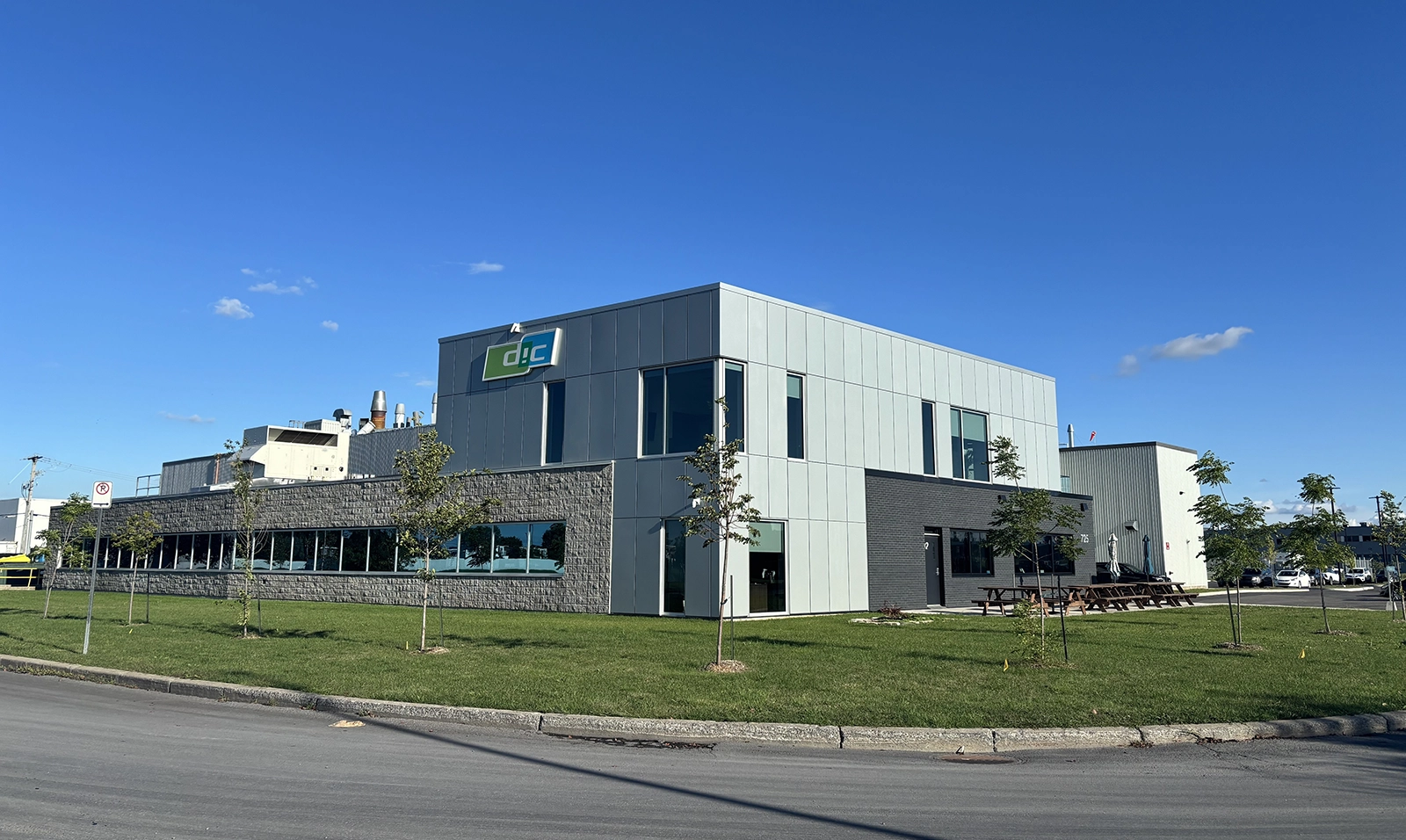
▲IDC’s newly completed plant
Francis concludes:
“As part of the DIC Group, IDC is a partner that creates the future together with customers. Embracing global challenges, we are building a workplace where every employee can take pride in their contribution.”
Different cultures, different working styles—yet united by a shared objective. The accumulation of such efforts has strengthened IDC as a site, and DIC Group as a whole.
The sound of machinery that never stops continues to deliver semiconductor materials—invisible value—to society.