WATCHMaking the Invisible Visible
Gathering a Team and Embarking on an Adventure: How Tacthancer™, a Tactile Sensitivity Enhancer Born from One Person’s Dream, Took on the World
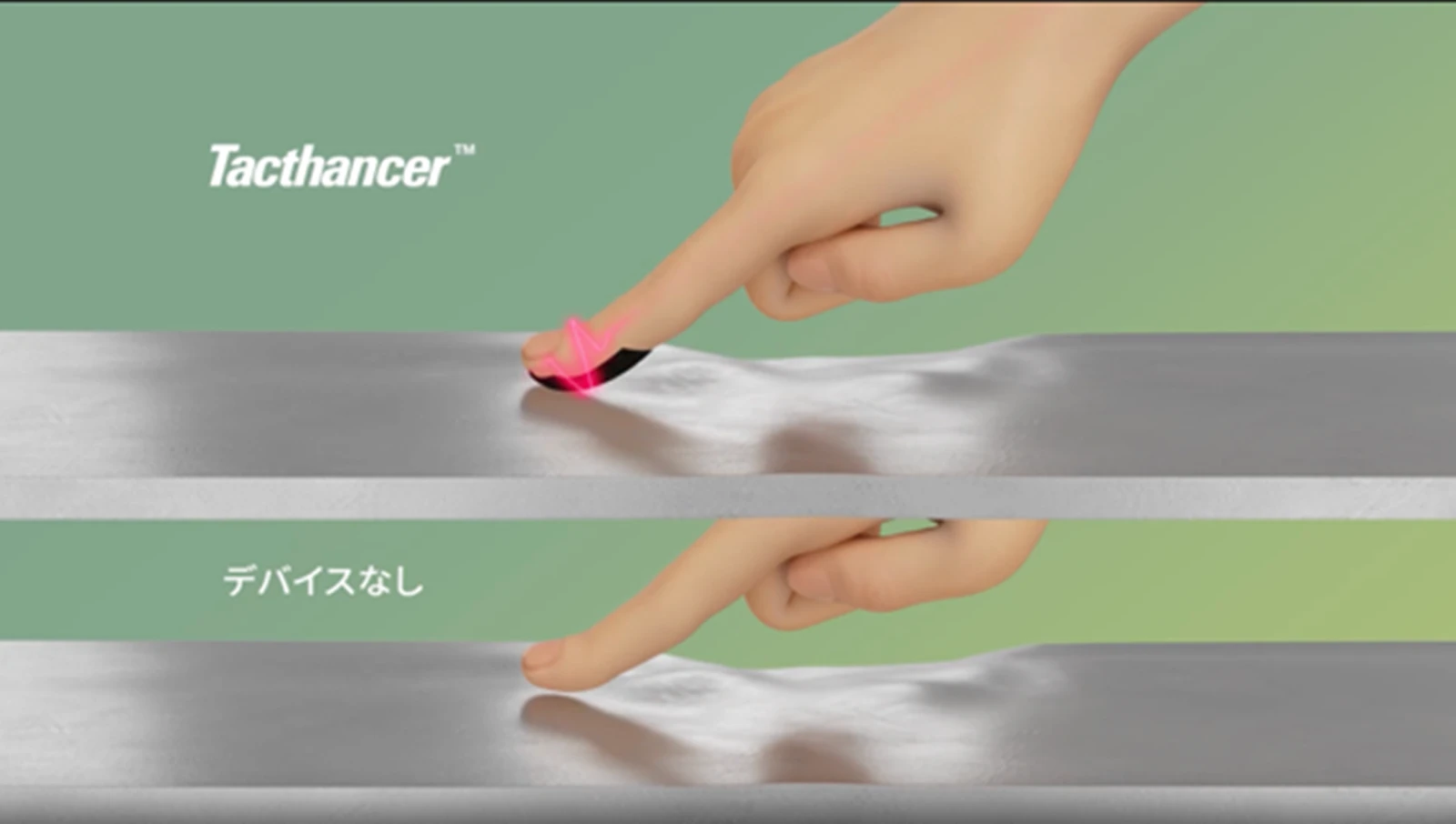
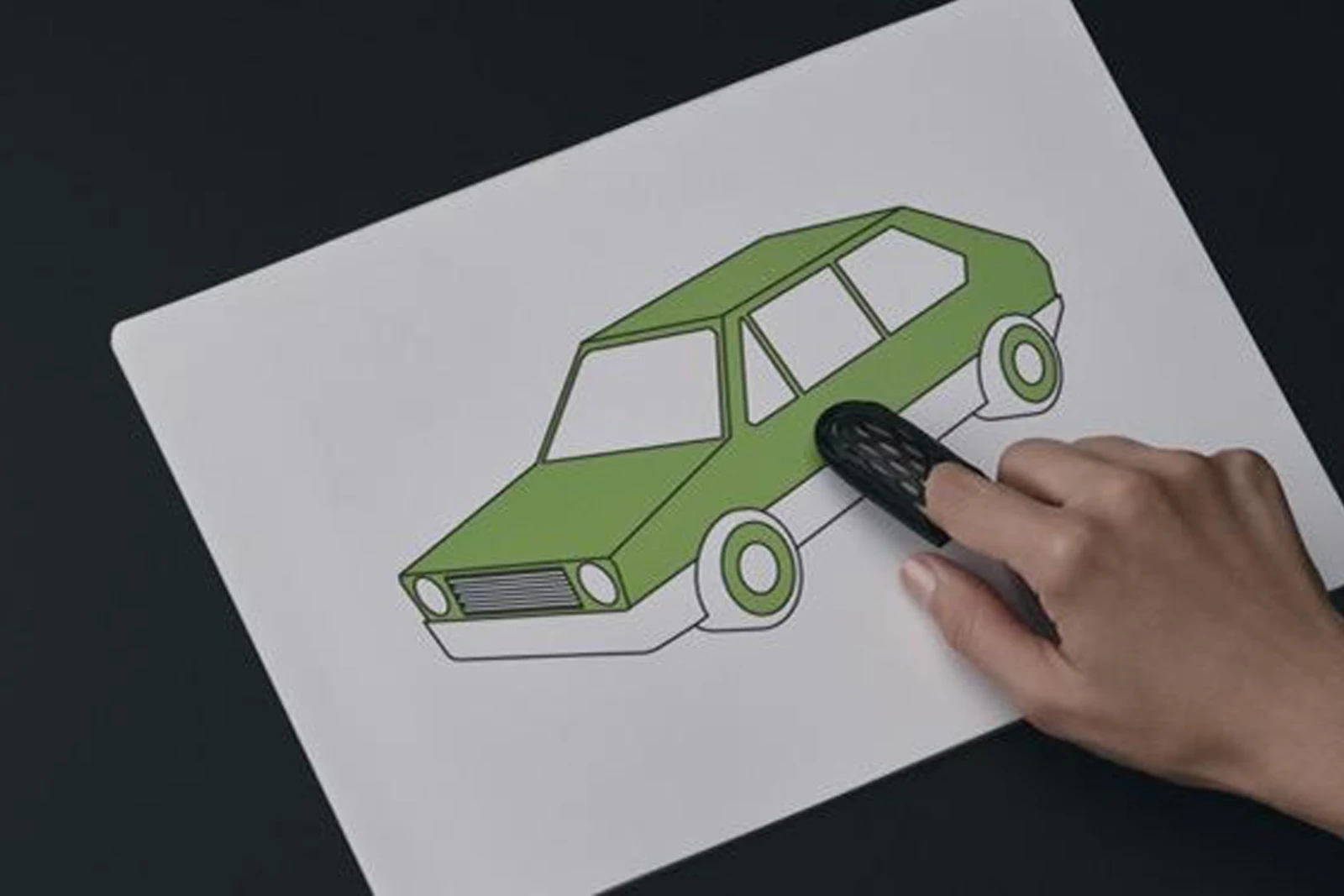
"It feels like magic." — That was the reaction of visitors from around the world at CES 2026, one of the world's largest technology trade shows, when they experienced DIC's haptic amplification device, Tacthancer™. Simply by wearing it, users can detect minute surface irregularities and scratches that are difficult for the human fingertips to perceive. This breakthrough technology holds enormous potential, particularly in manufacturing and industrial applications.
The origin of Tacthancer™ can be traced back to a simple prototype built from inexpensive materials purchased from 100-yen stores and other readily available sources. As the team overcame the unique challenges of this unprecedented venture, from establishing evaluation methods to charting a path toward commercialization, more people joined the team, and the concept gradually took shape.
Although Tacthancer™ attracted a significant attention at CES, the journey is far from over. The true goal is to cultivate the technology into a sustainable business through close dialogue with customers. We spoke with the four members of the development team who have guided the project from an exploration of uncharted territory to the next stage of commercialization and asked them to share the story behind their journey.
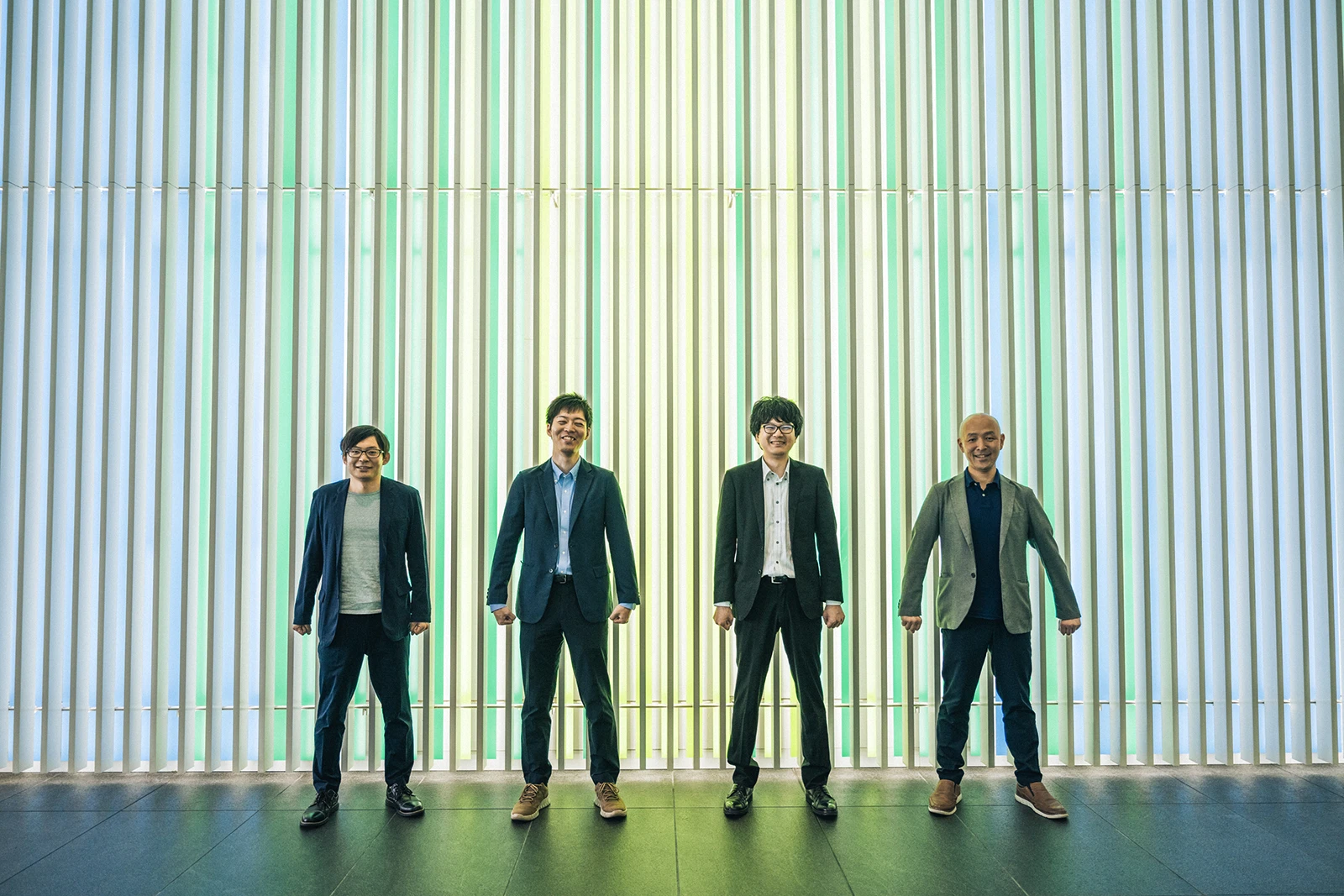
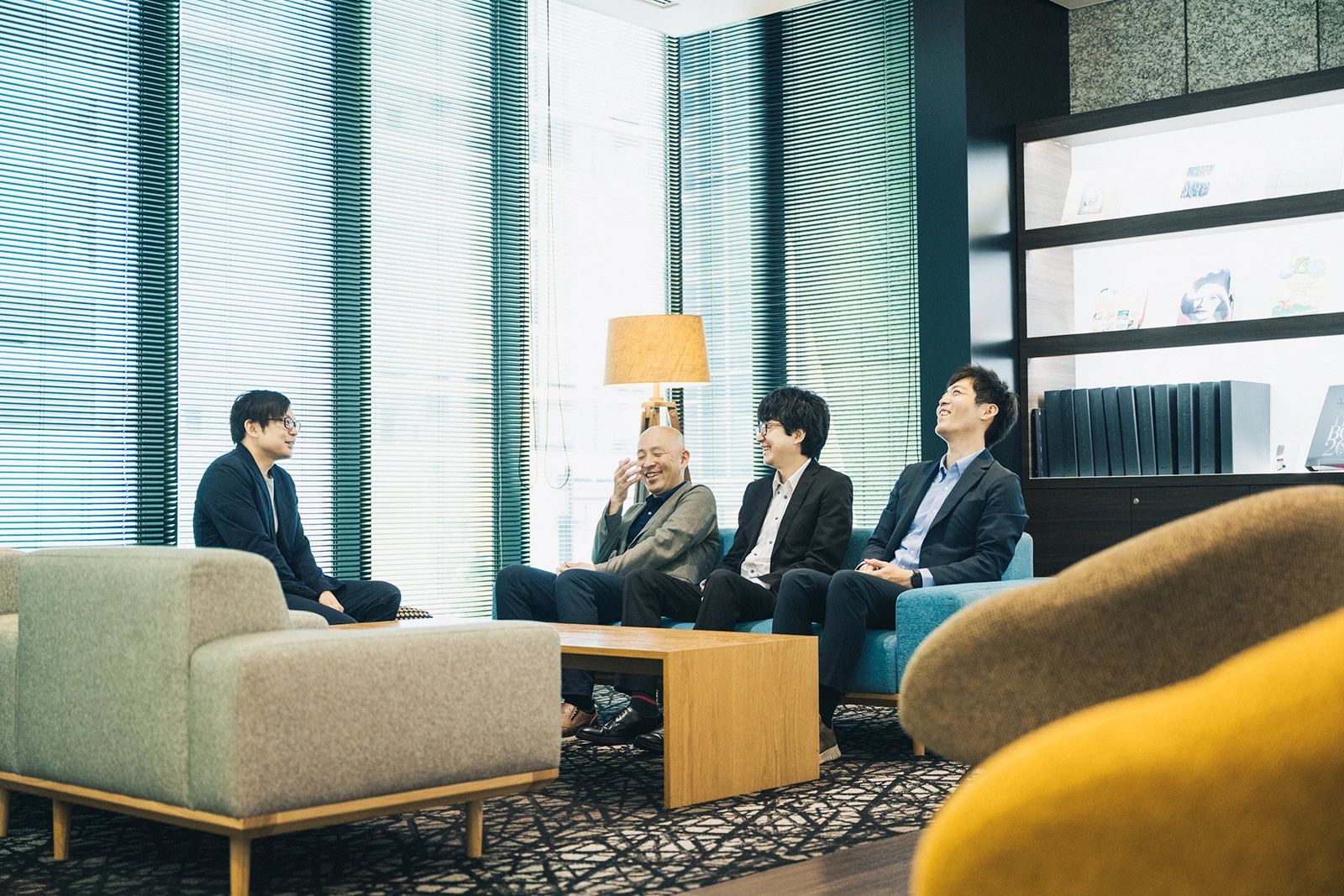
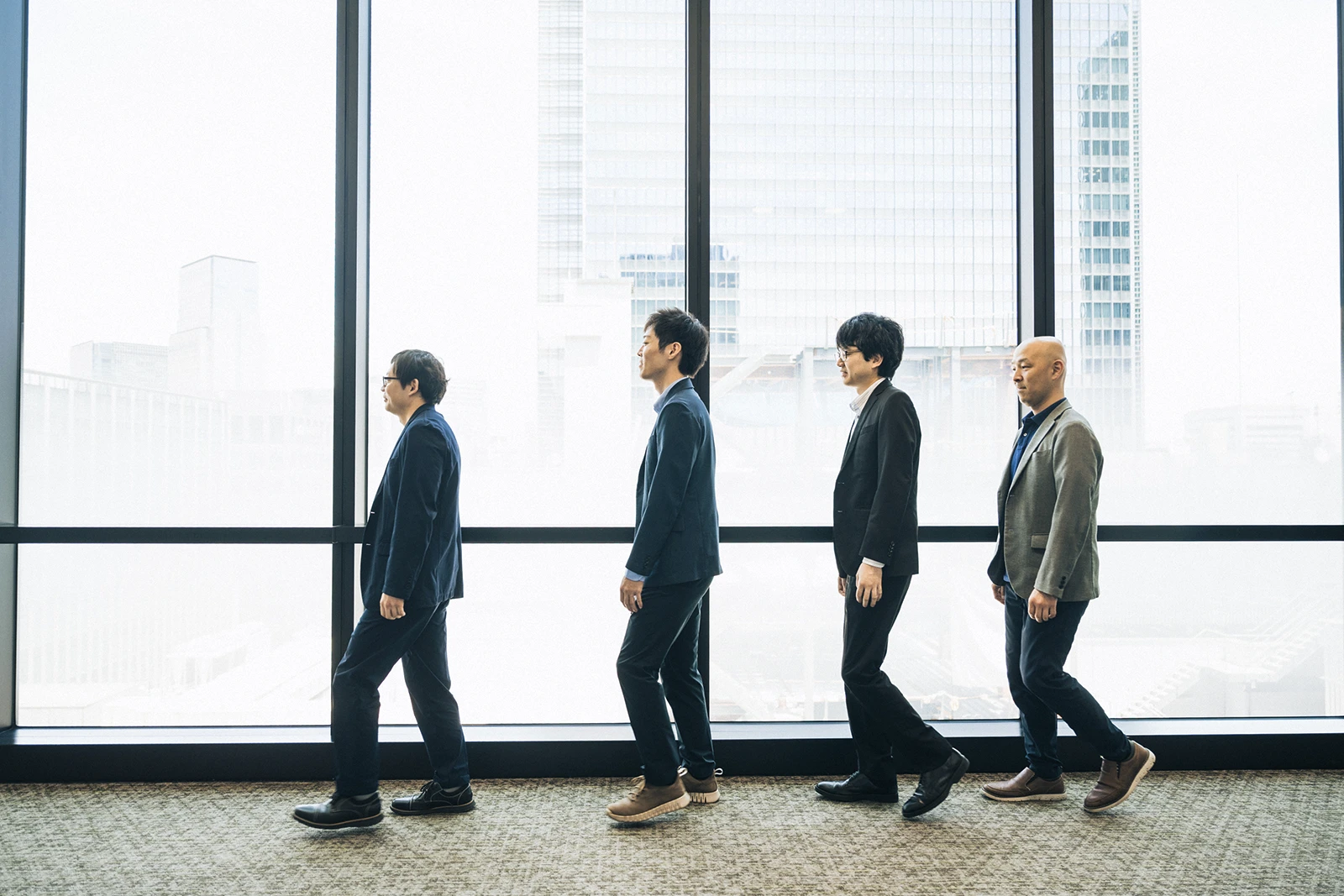
Featured Team Members (from left to right)
Atsushi Ichikawa
The initiator who ventured alone into the uncharted field of haptic amplification devices. As the project leader, he has driven the entire project, from technology development to marketing.
Taichi Akaoka
Leveraging his experience in resin development, he established a framework for objectively evaluating the haptic amplification performance of Tacthancer™.
Kosuke Igawa
Drawing on his expertise in 3D printing and materials development, he supports the prototyping and realization of Tacthancer™, helping transform concepts into tangible products.
Tetsuro Nishioka
Responsible for market development for Tacthancer™. He joined the project following its exhibition debut and has played a key role in exploring commercial opportunities and customer engagement.
What Does It Mean to “Amplify Touch”?
An Unusual Device from a Chemical Manufacturer
— First, could you tell us what Tacthancer™ is?
Ichikawa: Tacthancer™ is a tool that amplifies human tactile sensation. When you touch an object through the sheet-like Tacthancer™, your fingers can detect minute surface irregularities and scratches that are difficult to perceive with your bare fingers. One of its key features is that it requires no power source, thanks to its unique structure and technology. You can think of it as “a pair of glasses for the sense of touch.” Furthermore, by combining it with a power source and sensors, it can also be transformed into a device capable of recording tactile data.
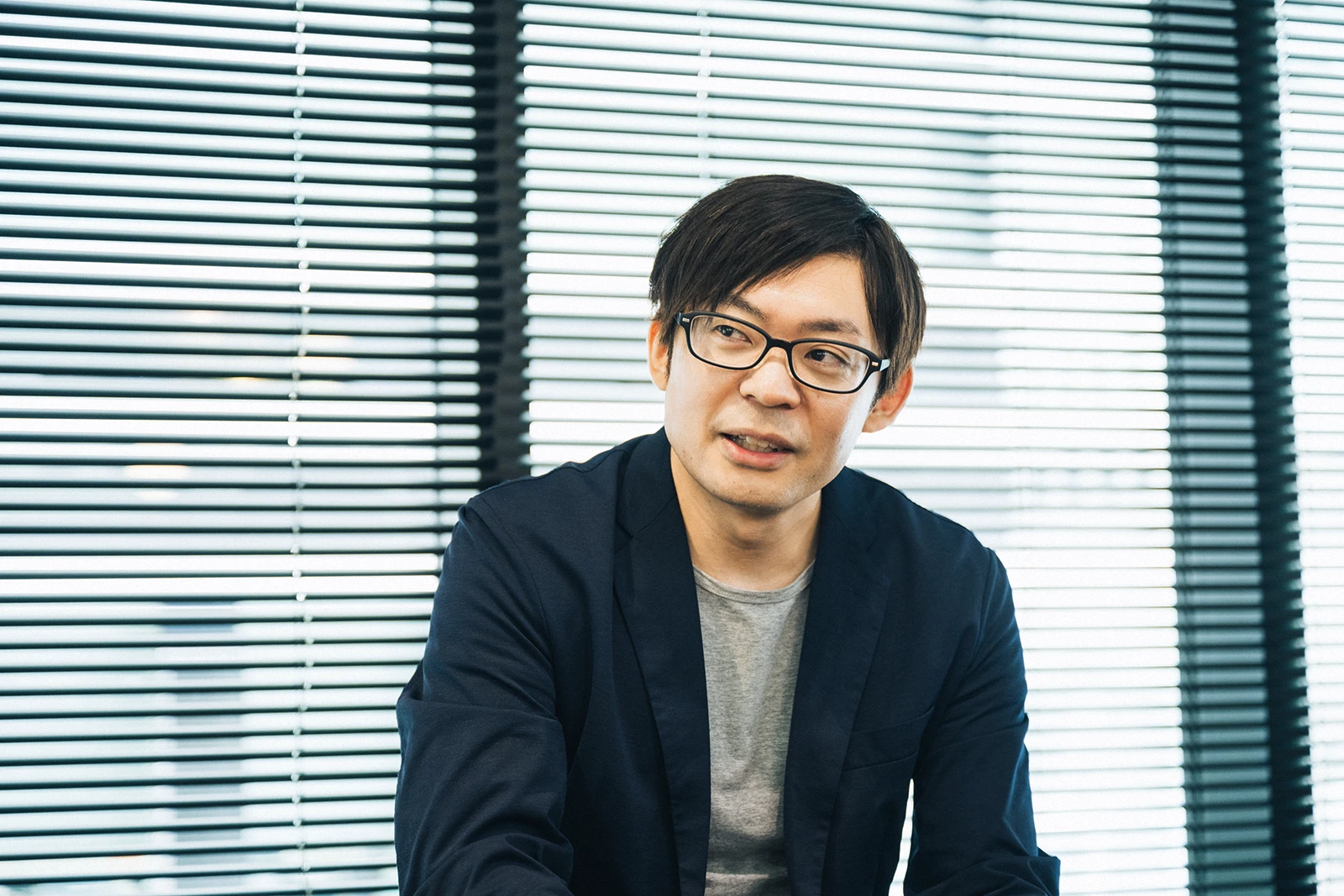
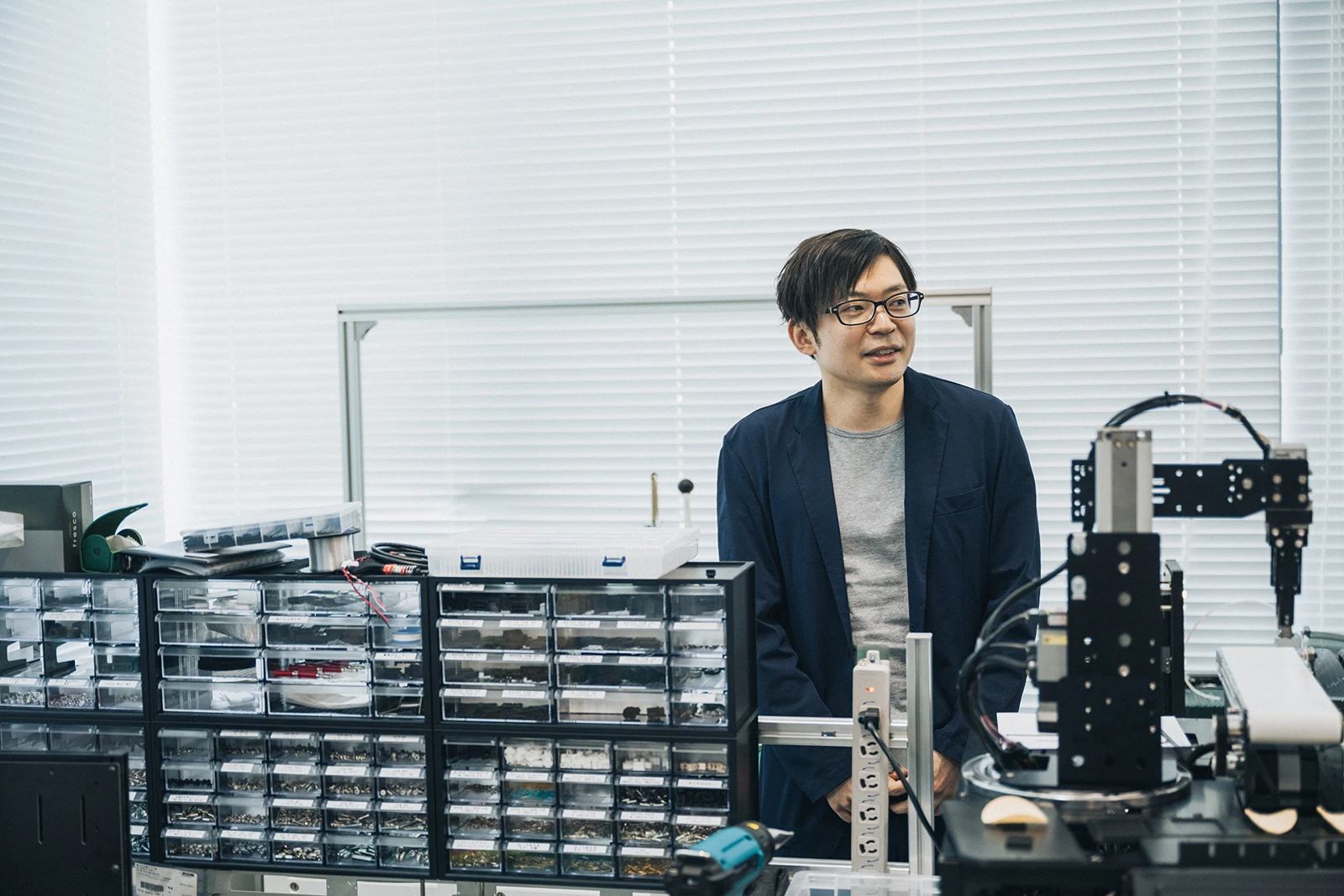
▲Atsushi Ichikawa, who started developing the haptic amplification device on his own. His hobby is strength training, which he took up while working as a visiting researcher at the Massachusetts Institute of Technology (MIT) in Boston, U.S.A
— So it allows people to perceive extremely subtle surface irregularities without using electricity? That’s remarkable. Were all of you involved as a team from the beginning of the project?
Ichikawa: No. I started the development entirely on my own. Later, Akaoka joined, followed by Igawa. After that, Nishioka came on board to support the marketing efforts. Everyone except me has been contributing to this project alongside their primary responsibilities in other departments.
— So the team gradually grew, one member at a time. What was your first impression when you experienced Tacthancer™?
Igawa: The first time I tried it, I couldn't help but exclaim, “Wow!” Even when a surface feels completely smooth to the bare fingers, Tacthancer™ makes subtle unevenness surprisingly clear and tangible.
Akaoka: My first thought was, “So a chemical manufacturer is developing devices like this, too.” It made me feel that something new is about to begin.
Nishioka: Hmm... honestly, I don't really remember.
Igawa: How can you not remember?
Ichikawa: You were probably thinking, “There's no way this thing will ever sell.” (laughs)
Nishioka: Tough crowd right from the start! (laughs)
The Journey Began at a 100-Yen Store.
A One-Person Adventure into the Unknown
— Mr. Ichikawa, what inspired you to begin developing Tacthancer™ in the first place?
Ichikawa: Before joining DIC in 2023, I worked for an automobile manufacturer. The technology behind haptic amplification itself was discovered more than twenty years ago, and I had been interested in it even before I joined DIC as a researcher.
After joining DIC, I worked in the Technology Planning Department, where I was responsible for technology marketing. I evaluated business strategies while exploring the potential of emerging technologies, including those in the field of haptics. As an extension of those activities, I participated in a company-wide project focused on anticipating the future from the perspective of consumers and translating those insights into innovative product development and commercialization. The project embodied DIC's Direct to Society (D2S) philosophy of creating value directly for society beyond the traditional role of a chemical manufacturer. One of the concepts proposed through this project was the haptic amplification device.
— DIC is widely known for materials such as pigments and resins. What led you to focus on the sense of touch?
Ichikawa: Because I believed we could fully leverage DIC's strength in materials science. Tacthancer™ does not require electricity. By combining a mechanism that produces the desired function with materials optimized for that mechanism, we can create entirely new value for society.
My experience at the automobile manufacturer where I previously worked was also helpful. I encountered numerous challenges in the automotive and transportation industries and gained first-hand insight into the issues faced on manufacturing floors. I believed that by combining that practical understanding that I developed there, along with my knowledge of materials and structural design, with DIC's long history and expertise in material technologies, it might be possible to create a haptic amplification device unlike anything that had existed before.
— So this is where the adventure in pursuit of Tacthancer™ truly began. Where was the starting point of that journey?
Ichikawa: If you mean where prototyping started, it was a 100-yen shop.
— A 100-yen shop!?
Ichikawa: Yes. Of course, before that I had already conducted marketing research, analyzing social and market trends and exploring needs across a range of industries. Once that work was completed, I first wanted to verify our past research findings by gathering inexpensive materials from a 100-yen shop and building a simple prototype.
Once the basic technology had been confirmed, I began refining the design using a 3D printer to determine the optimal structure. I also asked colleagues within the company to test the prototypes and share their impressions.
— When was this taking place?
Ichikawa: Around the spring of 2025. I wasn't content with simply developing the technology. To turn the concept into reality, I personally visited companies. I wanted to understand what challenges they were facing and what kinds of value they were looking for. Through direct conversations, I verified those assumptions one by one. At R&D events, I often had only a few minutes to pitch the idea without slides, creating opportunities for meetings and demonstration through my own efforts. In this way, I was able to demonstrate the prototype at around ten companies, including automotive manufacturers, general contractors, and heavy industry firms, gathering unfiltered feedback from the field.
— Were you handling the marketing on your own as well?
Ichikawa: For the most part, yes. At the time, I felt like a chef, serving a dish, that is, the haptic amplification device I had developed, and I was genuinely anxious about how they would react. Whenever people were surprised by it or gave positive feedback, it was an enormous relief.
Overcoming Barriers Through Combined Expertise
The “Offense” and “Defense” Added to the Party
Barrier #1: Unable to Prove the Device's Performance

▲The evaluation wizard—Akaoka joins the team!
— Mr. Ichikawa, you continued this journey alone for quite some time. What was the first major obstacle you encountered?
Ichikawa: As I continued development through repeated cycles of hypothesis and verification, the first major obstacle I encountered was evaluation. There was no established way to quantitatively demonstrate how much tactile amplification a particular structure could achieve. I had developed theoretical equations of my own, but there was no experimental method that could verify them consistently and accurately.
People would tell me, “That's amazing,” and I could feel that the technology was working. But I couldn't demonstrate with numbers whether performance had actually improved. That was the first major barrier. To move the project to the next level, I invited Mr. Akaoka, who specializes in evaluation methods, to join the team. That was in May 2025.
— Akaoka, what kind of work were you doing at the time?
Akaoka: I work in the Specialty Compound Technology Group, where I am involved in the development of a resin called PPS (polyphenylene sulfide). Evaluation is an essential part of resin development, so I was familiar with general evaluation methods. However, evaluating tactile amplification was something entirely new to me.
▲Akaoka enjoys action videogames. His favorite weapon is the sword.
Ichikawa: That's because we were dealing with something entirely new.
Akaoka: Exactly. Using Ichikawa's ideas as a starting point, we attached sensors, verified the reproducibility of the results, varied test conditions, and gradually built a methodology for collecting objective performance data. It was a continuous process of trial and error.
Barrier #2: Unable to Elevate Prototypes to Product Level
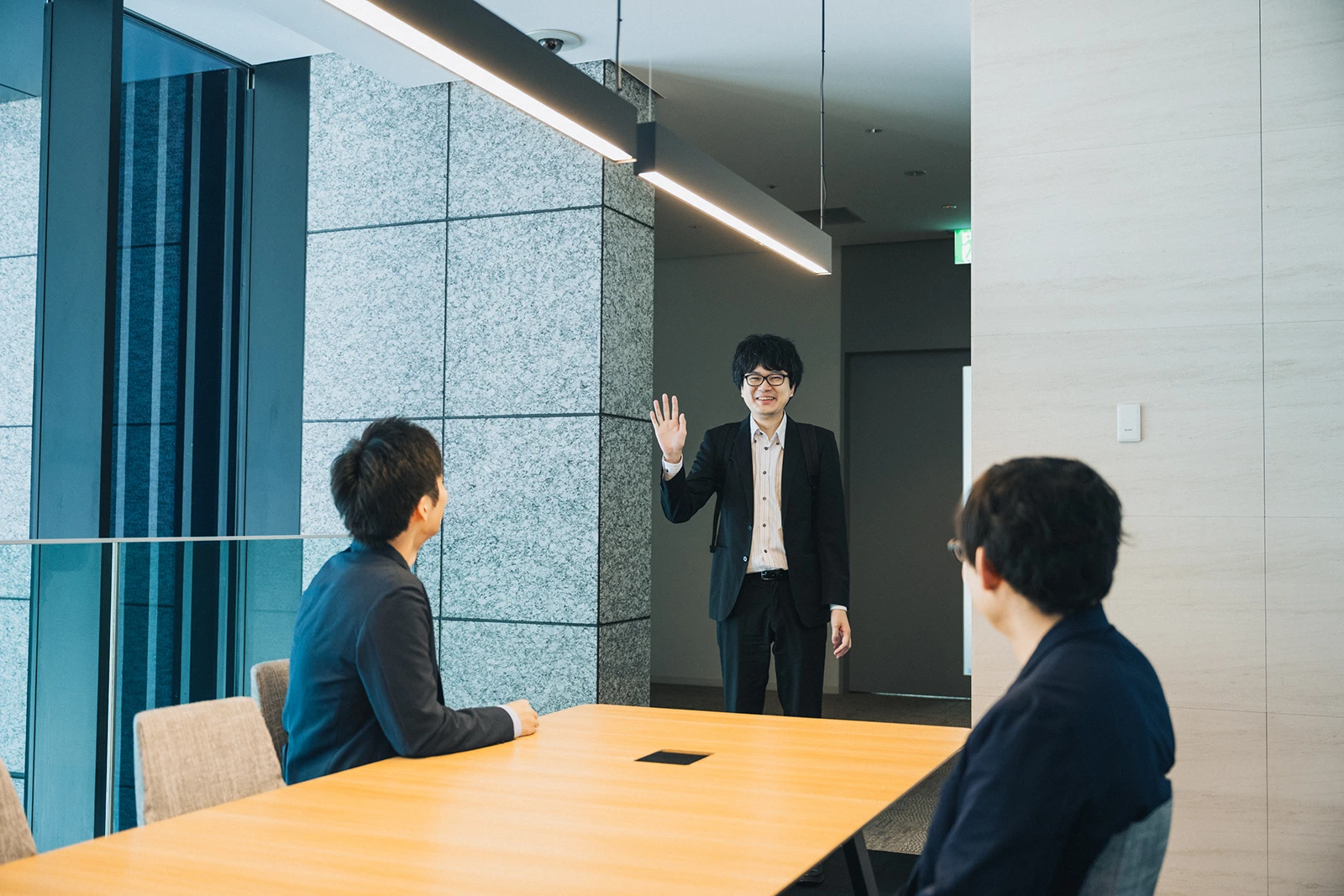
▲A crafter Igawa joins the team to support prototyping and commercialization of Tacthancer™.
Ichikawa: Thanks to the progress we had made, DIC officially decided to pursue the haptic amplification device in earnest, which meant we needed to accelerate development. We could build prototypes. We could evaluate them. But we still lacked the materials engineering and fabrication technologies required to bring the device up to a level suitable for commercial products. That's when Igawa joined the team in July 2025.
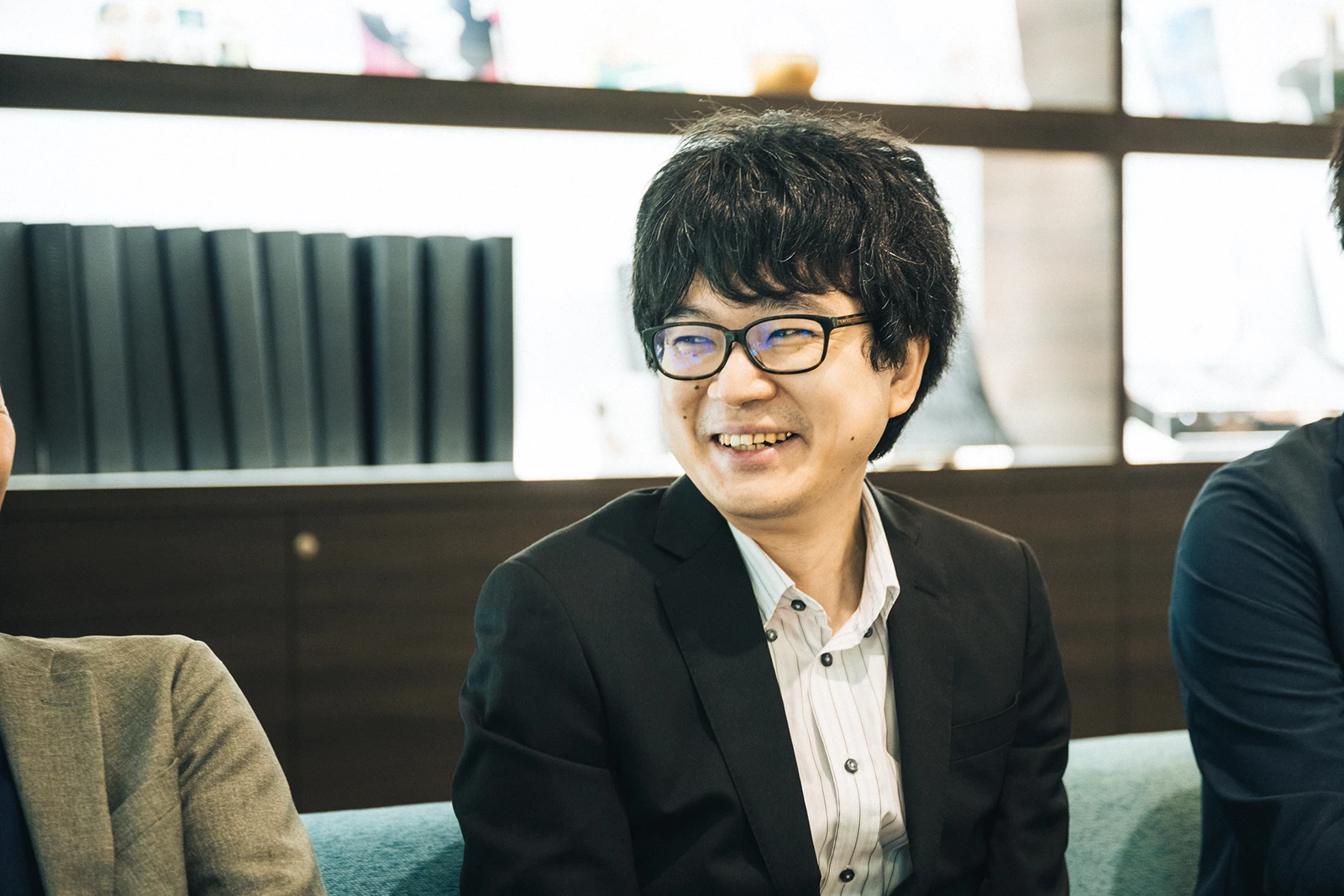
▲Igawa's hobby is exploring ramen shops. He enjoys discovering new restaurants during business trips.
Igawa: I work on developing materials for 3D printing and have expertise in fabrication technologies and structural optimization. My skills turned out to be an excellent match for what Mr. Ichikawa needed, particularly in resin development and prototype fabrication for Tacthancer™.
— So this was the point where the team gained both the “defense” represented by evaluation expertise and the “offense” represented by materials development. By the way, when did the name "Tacthancer™" come about?
Ichikawa: We named it after Igawa joined the team, when we were preparing to file for trademark registration. We took the beginning and the end of the English phrase "Tactile Sensitivity Enhancer" to create Tacthancer™. Since we were already envisioning a global launch, I asked Mr. Akaoka to check whether the name sounded natural in English.
Akaoka: I grew up overseas and spent part of my childhood in New Zealand.
Ichikawa: Having a native English speaker close by was a huge help. (laughs)
Sharpening Their Weapon to Overcome the Biggest Challenge
Setting Sail Into the World of Trade Shows
Barrier #3: Uncertainty About Business Viability
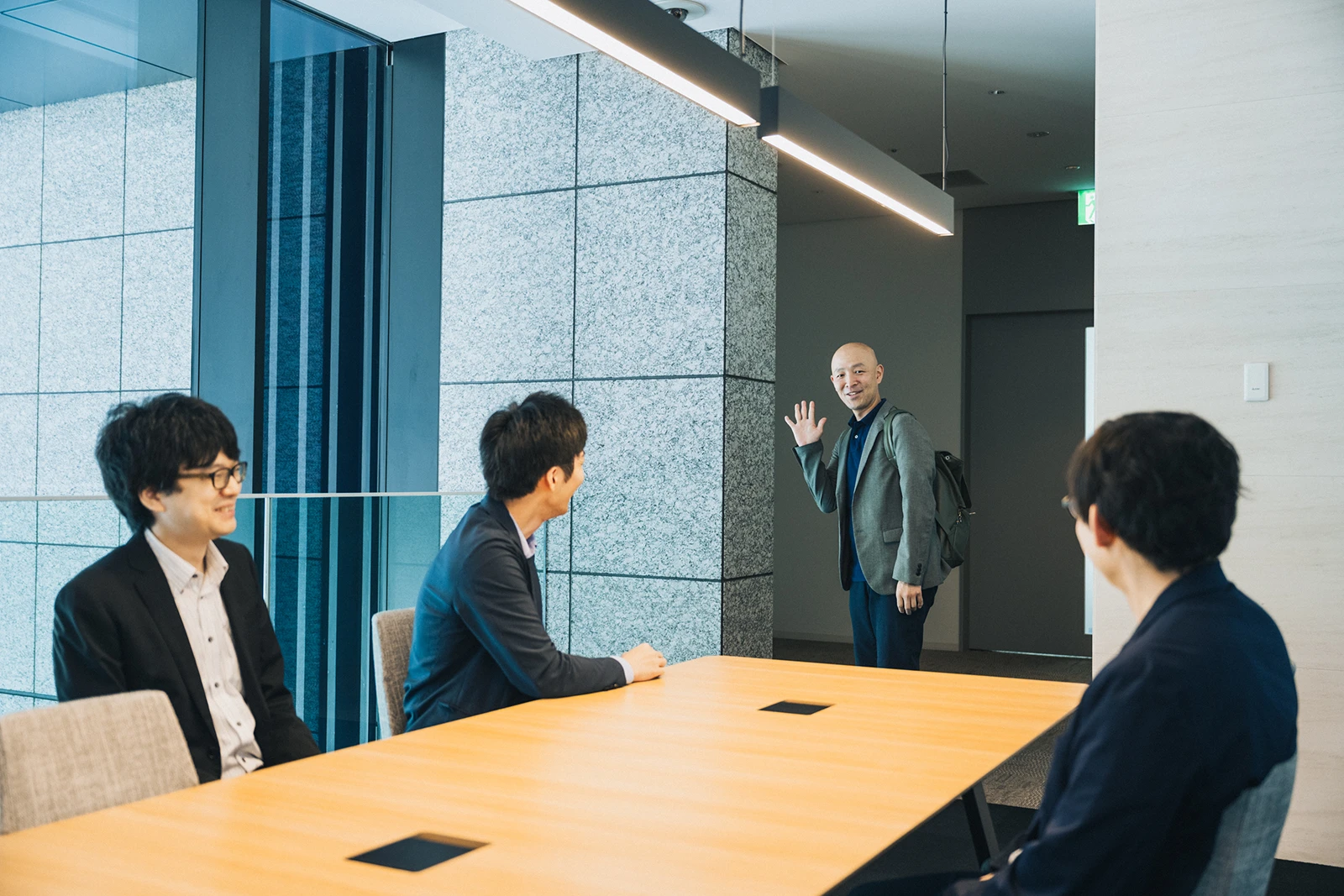
▲Nishioka, the merchant responsible for developing the market for Tacthancer™, joins the team!
— The team had now grown to three members, and the technology known as Tacthancer™ had been refined even further. But another major obstacle soon stood in their way.
Ichikawa: In December 2025, we exhibited Tacthancer™ at Smart Factory Japan 2025, a trade show featuring the latest technologies and products related to manufacturing and information management. To help prepare for the exhibition and strengthen our marketing efforts, we asked Mr. Nishioka to join the team.
— So the team was finally complete with all four members!
Nishioka: Not quite. At that point, I was still more of a provisional member. I had been involved in several themes related to new business development, and Tacthancer™ was just one of them. To be honest, I joined because I wanted to determine whether it could realistically become a viable business in the future.
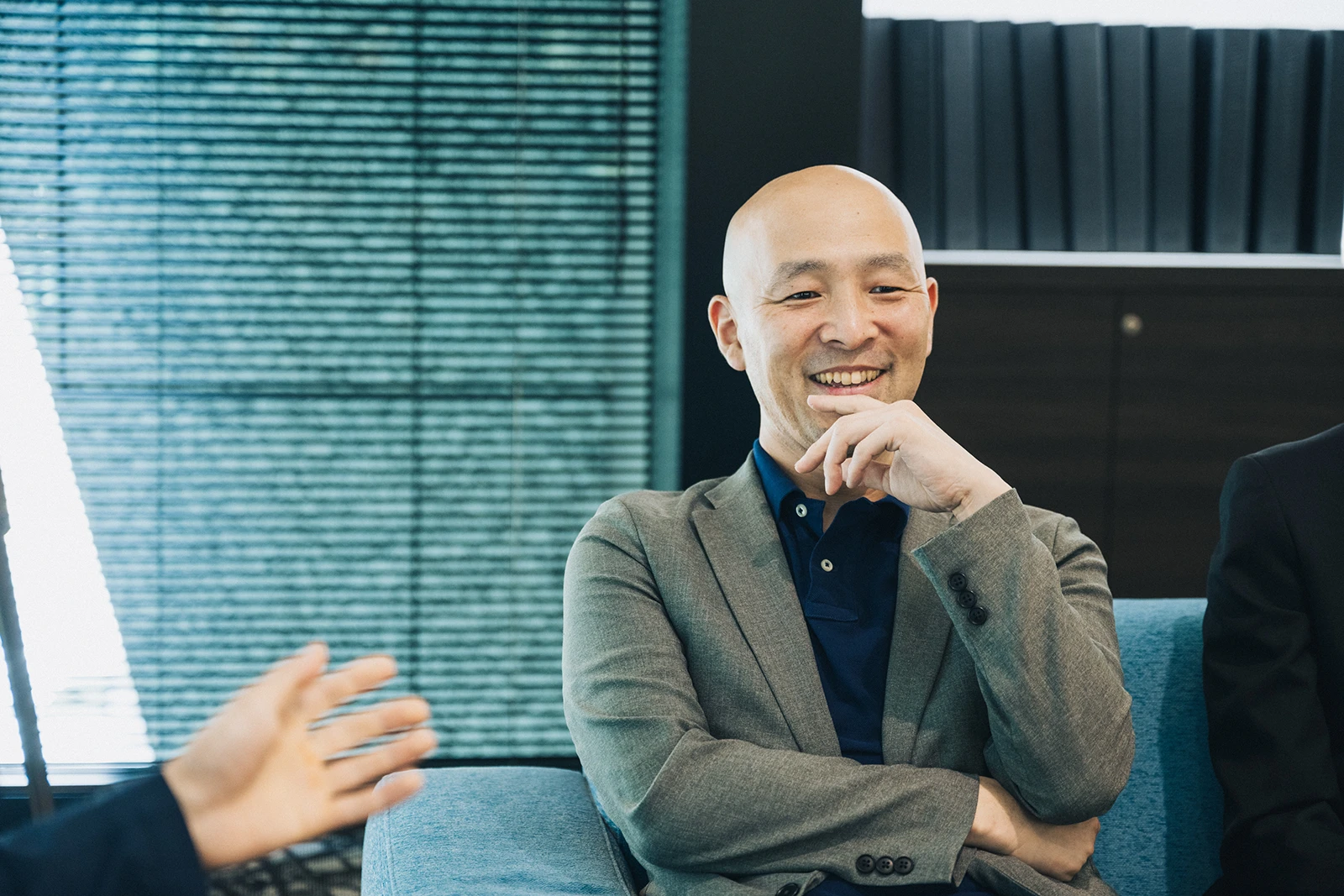
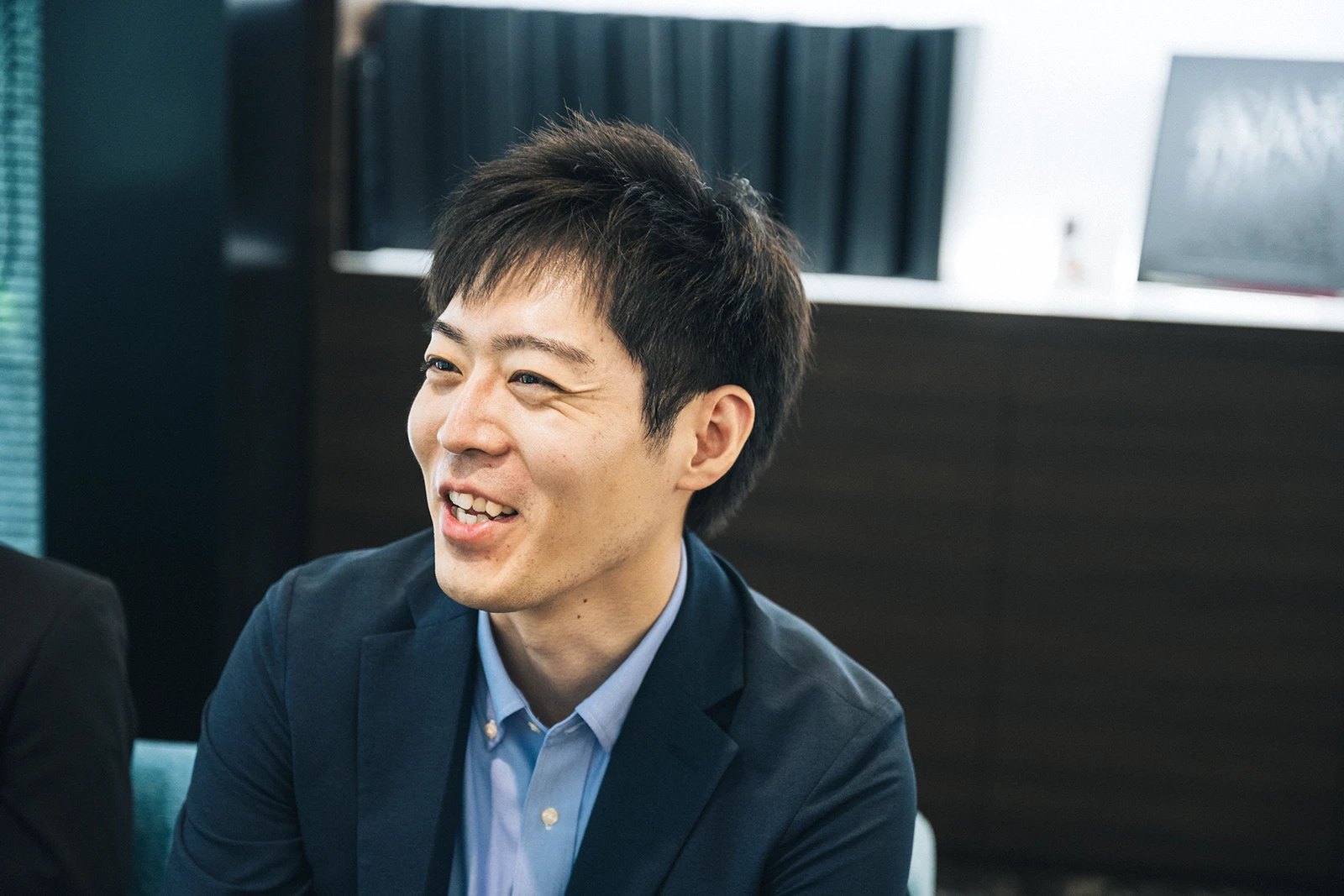
▲Nishioka enjoys saltwater fishing. Relaxing while gazing out at the ocean is his favorite way to recharge.
— So there was still a mission to complete before you could recruit him to the team.
Ichikawa: At Smart Factory Japan 2025, our booth was quite small. It was tucked away near the back of the venue, and we did not have any flashy decorations.
Nishioka: Honestly, before the event started, I thought we would be lucky if around 100 people tried the device. But Mr. Ichikawa's target was an unbelievable 300 visitors. I remember thinking, “There's no way that's going to happen.” Yet in the end, around 250 people had actually experienced it.
Ichikawa: It was 260.
Nishioka: See? He's very particular about the numbers. (laughs)
— So the response was even better than expected?
Akaoka: Absolutely. Most reactions were positive. People told us things like, “We'd like to test this ourselves,” and even, “Can I take one home right now?”
Igawa: At the same time, the International Robot Exhibition was also being held at Tokyo Big Sight. Some visitors attended both events and came back saying, “Of everything we've seen today, DIC's exhibit is the most impressive.”
Ichikawa: That was incredibly encouraging. In our marketing efforts, including exhibitions, we've always prioritized hands-on experience. First, we want people to be surprised. Then we work together with customers to explore how the technology could actually be used. Rather than starting with an explanation, we first share a sense of excitement. That excitement creates a stronger foundation for deeper discussions with customers afterward.
— I imagine that once people experience it, it probably stays in their memory as well.
Nishioka: That's exactly what we found. When we contacted visitors after the exhibition, many immediately remembered us by saying, “Oh, you're the DIC company with that device.” The response was overwhelmingly positive, and I realized that it was a highly memorable product that would be easy to promote. That was when I decided to become a full-fledged member of the team.
— Having completed the mission, all four members were finally united. Then, in January 2026, you exhibited at CES 2026, one of the world's largest technology trade shows held in the United States. At last, it was time to set sail for the global stage.
Ichikawa: At CES, we showcased Tacthancer™ alongside the multifunctional robotic finger MoR® and the next-generation omnidirectional multicopter HAGAMOSphere® 2.0. During the exhibition, approximately 700 people visited our booth, and many who tried Tacthancer™ described the experience as "It feels like magic."
The visitors included researchers and business professionals from around the world. What impressed me most was that, regardless of nationality or cultural background, people shared the same sense of surprise when experiencing amplified touch. We were also approached by companies from industries we had never anticipated in Japan, which gave us entirely new perspectives on the technology's potential.
A Hero Alone Cannot Complete the Journey
Shaping the Future of haptics Together with Teammates
— Tacthancer™ has finally set sail into the vast ocean of the global market. What comes next?
Ichikawa: We will continue improving the device's performance while also advancing the digitalization of touch. One request we hear frequently is the need to quantify tactile sensations to reduce reliance on skills and experience of individual inspectors. Going forward, we hope to incorporate needs from a wide range of industries and applications into the evolution of the device.
Nishioka: In addition to quality inspection in manufacturing, we've also received feedback from unexpected fields. For example, cleaning service providers have told us they would like to use it to verify whether cleaning has been performed thoroughly. As we continue identifying the most promising markets, our ultimate goal is to expand globally.
— Looking a bit further ahead, where would you like to see Tacthancer™ making an impact five or ten years from now?
Ichikawa: I think it has exciting potential in the entertainment industry. Today, most games and puzzle-solving experiences rely primarily on sight and sound, but adding the sense of touch could create entirely new ways to play. Imagine touching what appears to be a blank surface and having hidden text emerge through tactile sensation when using Tacthancer™.
Igawa: I've heard that our tactile sensitivity tends to decline with age. Perhaps Tacthancer™ could be used to help compensate for age-related changes in tactile perception, allowing older adults to experience touch in new ways.
Nishioka: I also see potential in the world of art. Rather than relying solely on vision, people could experience and appreciate artworks through the sense of touch as well.
Ichikawa: Today we are surrounded by digital experiences. Precisely because of that, the value of the real, physical experience of actually touching something may become even greater in the future.
— Finally, what kind of people would you like to see become the next members of the Tacthancer™ team?
Akaoka: Someone who enjoys taking on new challenges. Tacthancer™ is a product unlike anything that has come before, so you'll constantly be dealing with questions that have no established answers. But the sense of accomplishment you get from hearing customers' reactions firsthand at exhibitions is extraordinary.
Igawa: Many people still think of DIC primarily as a chemical company, but in recent years we've welcomed more people from fields such as mechanical engineering and other disciplines. I'd be delighted to work together with anyone interested in DIC.
Nishioka: Tacthancer™ is a unique technology that amplifies the sense of touch. We are actively exploring applications across a variety of fields, so if it has sparked your interest, please feel free to contact us. We'd be happy to hear from you.
Ichikawa: This applies not only to Tacthancer™ but to new business development in general. If I were to compare it to a role-playing game, what we need are people who are willing to venture into a dungeon alone and take on a challenge no one else has attempted. In particular, I would like to see younger people step up and take on the role of the “hero” who starts a project from scratch. I want them to gather companions, work together, and complete the adventure. Pursuing dreams and goals alongside people who share the same aspirations has value in itself.
That said, a hero alone cannot defeat the Demon King or a dragon. Success requires warriors, healers, and many other companions, each contributing their own strengths and fulfilling their own roles. Only then can great challenges be overcome. And once the first major obstacle has been cleared, the next phase begins: commercialization. Building a successful business on a solid foundation is much like building a kingdom.
At that point, the hero's role comes to an end, and it becomes the responsibility of kings, ministers, and other leaders to build a strong organization. Tacthancer™ is now approaching that phase as well, working together with people both inside and outside DIC. We sincerely look forward to meeting new companions who share our vision and want to help us create the future together.