WATCHMaking the Invisible Visible
Making the Invisible Visible: Why DIC Relaunched “Vision Watch”
From semiconductors and food packaging to mobility, many parts of our daily lives are supported by technologies and materials that we rarely see. Behind them are people, ideas, and challenges that are often invisible to us.
Vision Watch has been a platform for sharing DIC’s vision. Now, it is taking on a new role: making the invisible visible.
The renewed Vision Watch will not only introduce DIC’s products and technologies. It will also share the stories of employees — what they are trying to achieve, what challenges they face, and what kind of future they want to create.
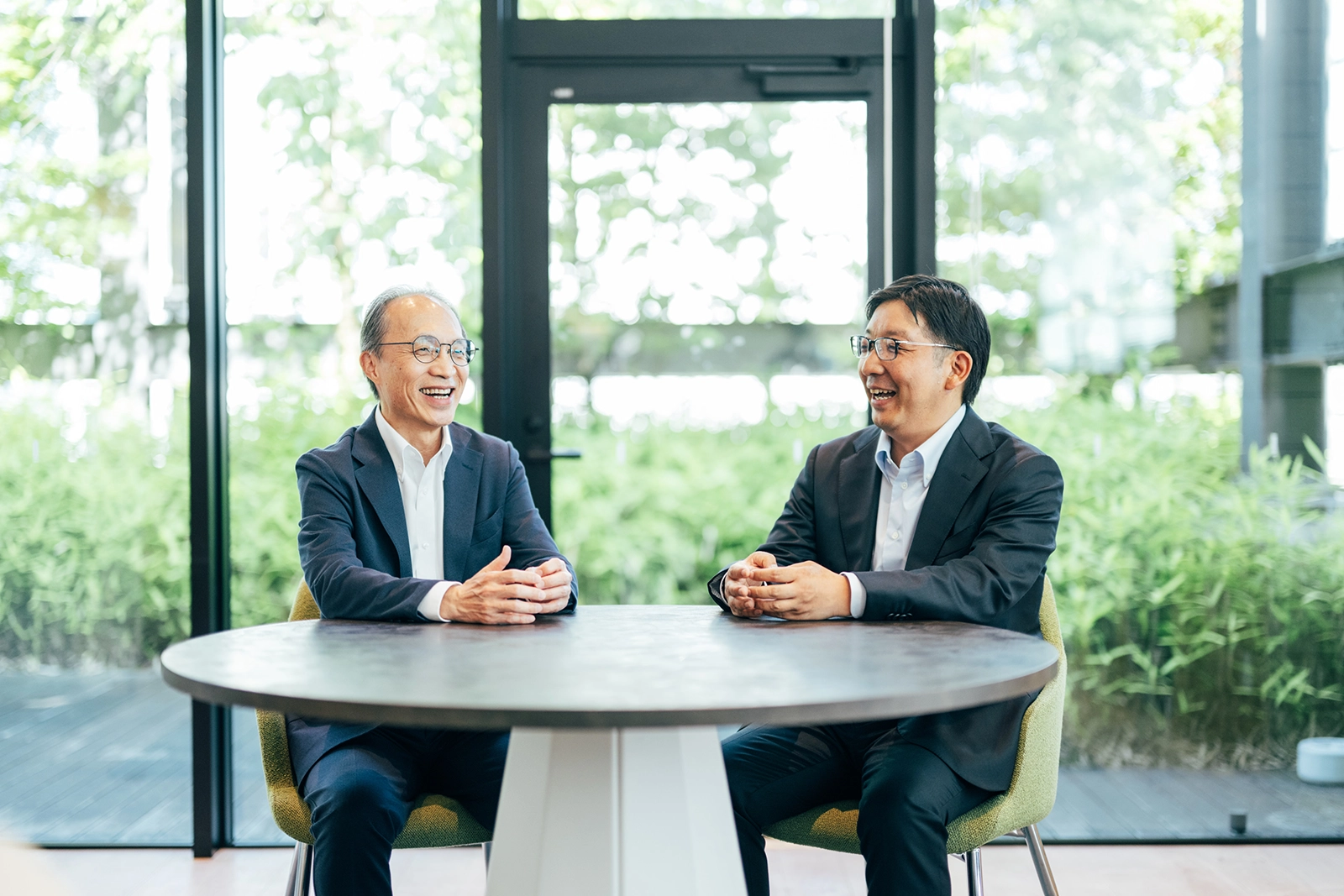
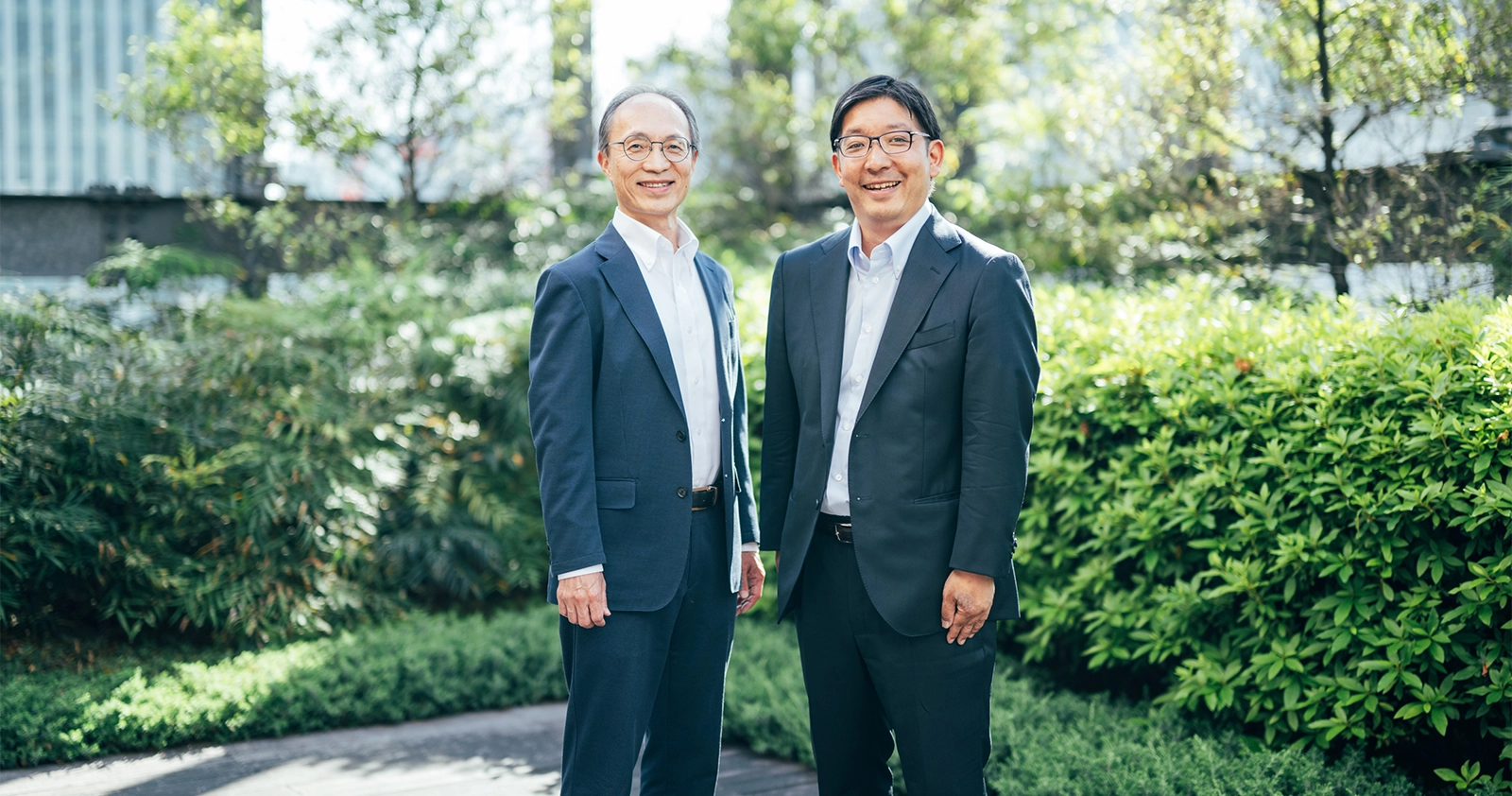
We spoke with Tomoyuki Tanaka, Managing Executive Officer, Group CSO (Corporate Strategy Officer), and Head of Corporate Strategy Unit, and Keisuke Miyake, General Manager of Corporate Communications Department, about the thinking behind this renewal and the future DIC aims to create.
Why DIC Is Changing the Way It Shares Its Stories
—As DIC Vision moves into the implementation phase of DIC Vision 2030, why is now the right time to renew Vision Watch and share more of the efforts behind DIC’s work?
Tanaka:
DIC is now moving forward with DIC Vision 2030, our long-term management plan. Through this plan, we aim to build a business portfolio that contributes to the sustainable prosperity of society and helps realize environmental and social sustainability.
In 2026, we entered a new phase: a period focused on realizing and expanding this vision. While strengthening our core businesses, such as inks, packaging materials, pigments, and polymers, we are also taking on new fields, including semiconductors and AI-related areas, which we are cultivating as the next pillars of growth.
That said, some of these fields are uncharted territory for us.
Business is built on trust. From my years in both technical and sales roles, I learned that trust cannot be built by product specifications alone. It is built through people— through sales and technical staff visiting customers time and again, receiving tough feedback, going back to the drawing board, and continuing to improve. Relationships are built gradually through these genuine, human interactions.
By sharing these very human efforts through Vision Watch, we hope people will come to know the individuals who work at DIC and that this will help us build trust more quickly, even in new fields where we are starting from scratch.
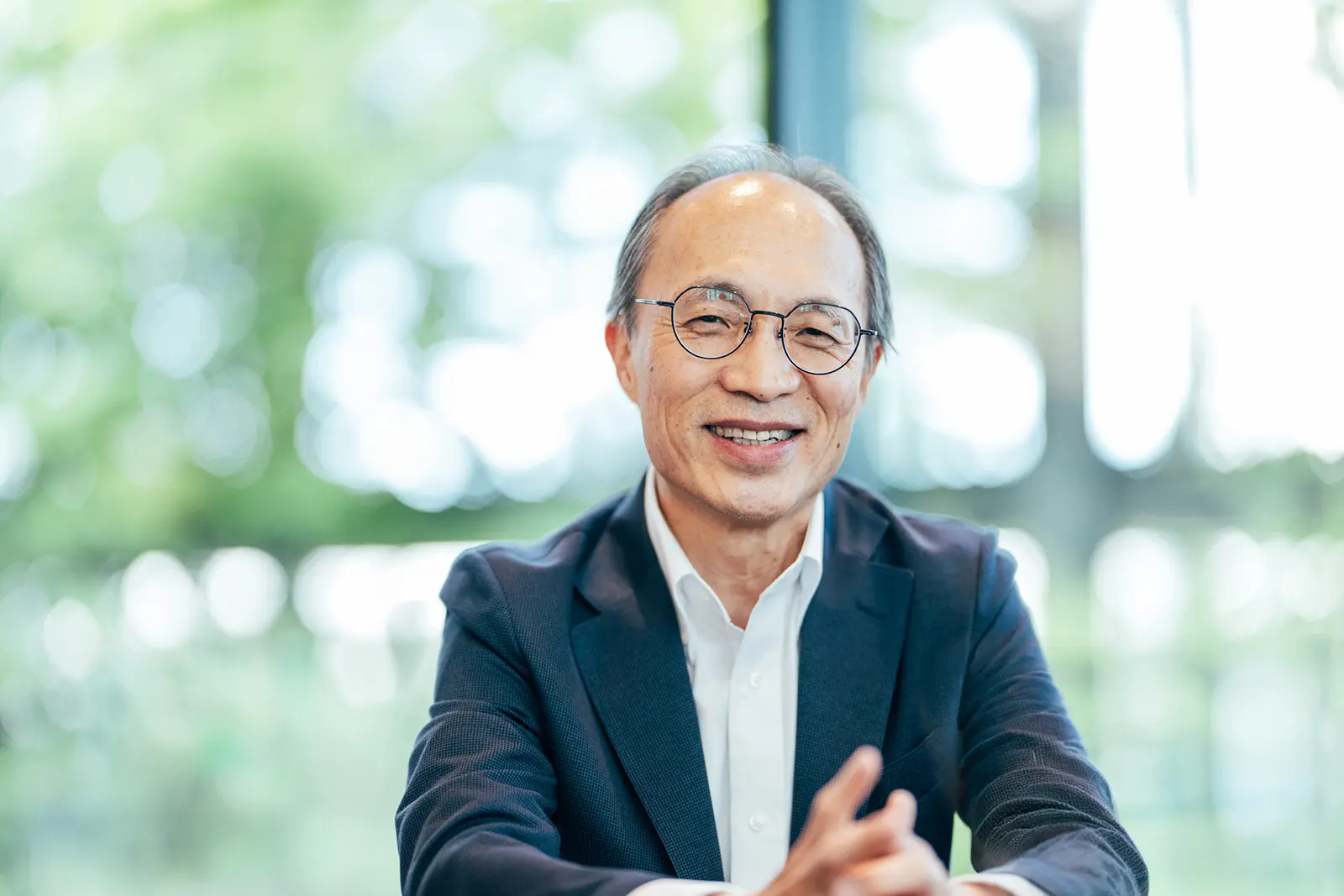
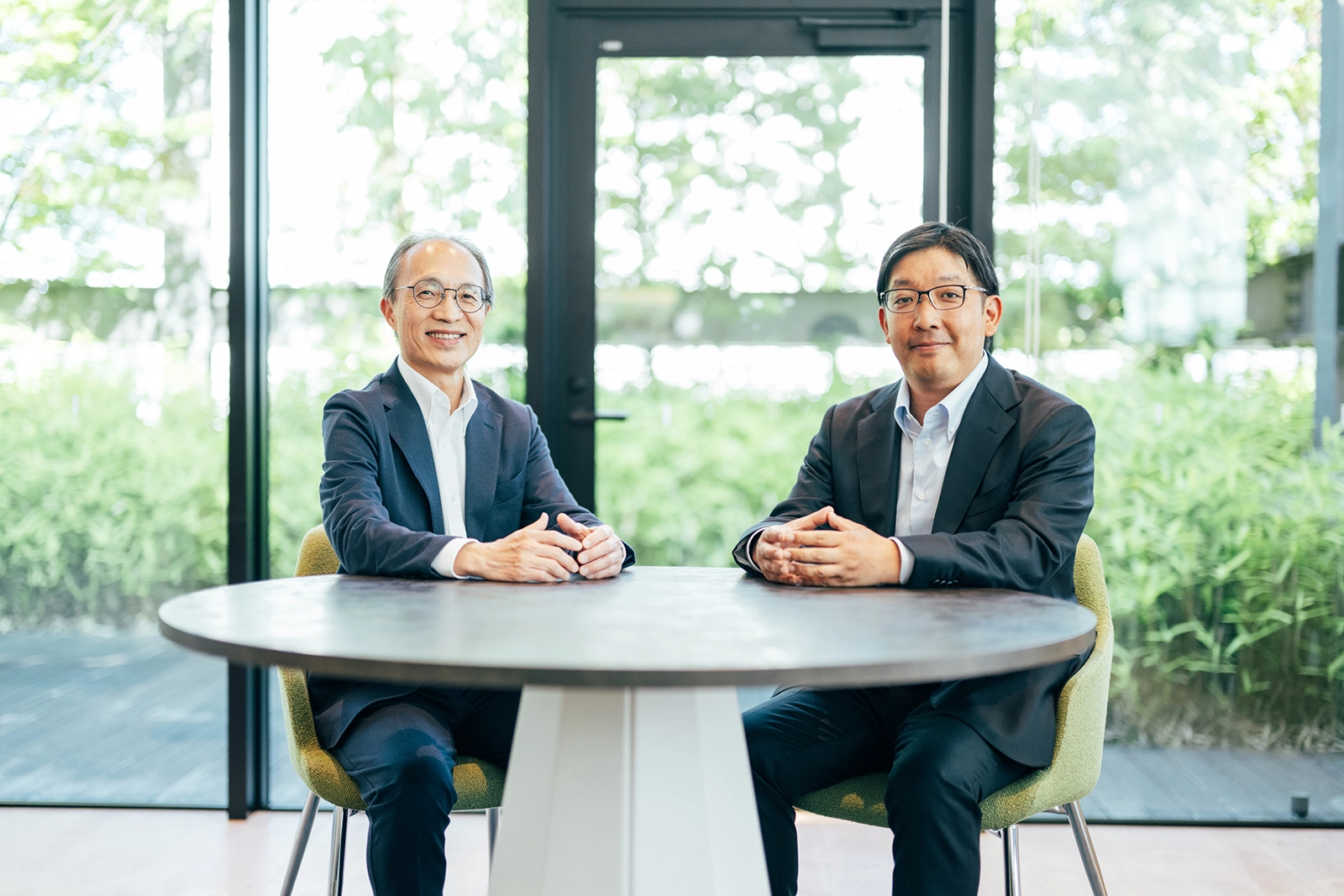
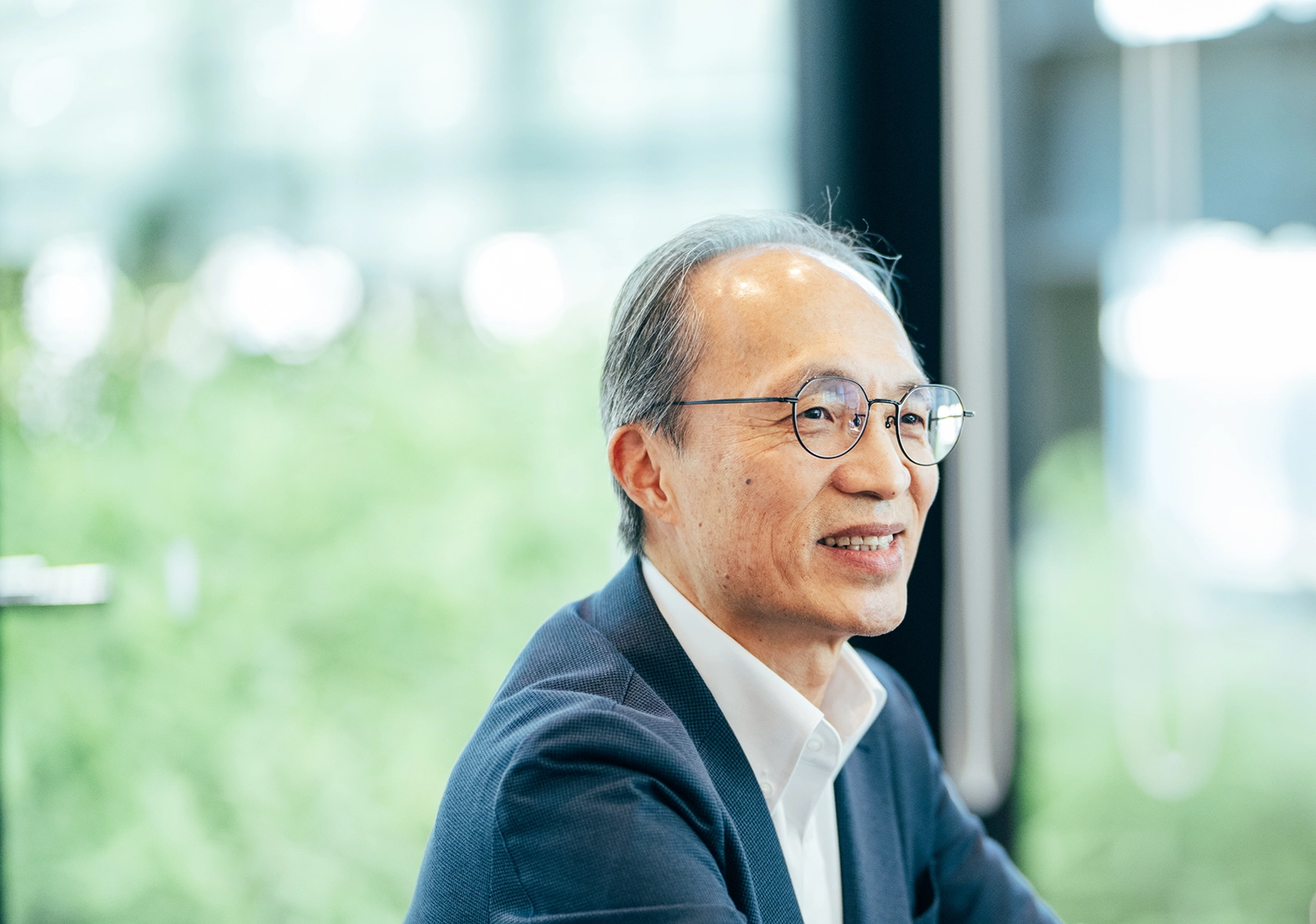
▲Tomoyuki Tanaka
Managing Executive Officer, Group CSO, and Head of Corporate Strategy Unit, DIC Corporation. He enjoys mountain hiking, and during this year’s Golden Week, hiked from Mt. Takamine and the Ikenotaira Wetlands to Mt. Sanpō-gamine in Nagano Prefecture.
—The renewed Vision Watch is guided by the concept “Making the invisible visible.” What does this mean for DIC?
Miyake:
We have strong confidence in our technology. However, we felt that we had not fully conveyed what kind of company DIC is.
Of course, we have always placed great importance on communication. But DIC is a sincere company by nature, and in our efforts to communicate accurately, we have tended to focus on technology and specifications. In addition, as a chemical manufacturer, there are aspects of our business and initiatives that can be difficult for people to understand or visualize.
For example, even when we are working in new fields such as physical AI, people may wonder, “Why is a company known for inks doing this?” What is often overlooked is that these efforts are built on technologies we have cultivated over many years, as well as employees who are genuinely committed to contributing more to society.
With the new Vision Watch, we want to go beyond our technologies and achievements and shine a spotlight on why we create what we do and what kind of future we envision.
Through the voices of our employees, we aim to communicate the kind of company DIC truly is.
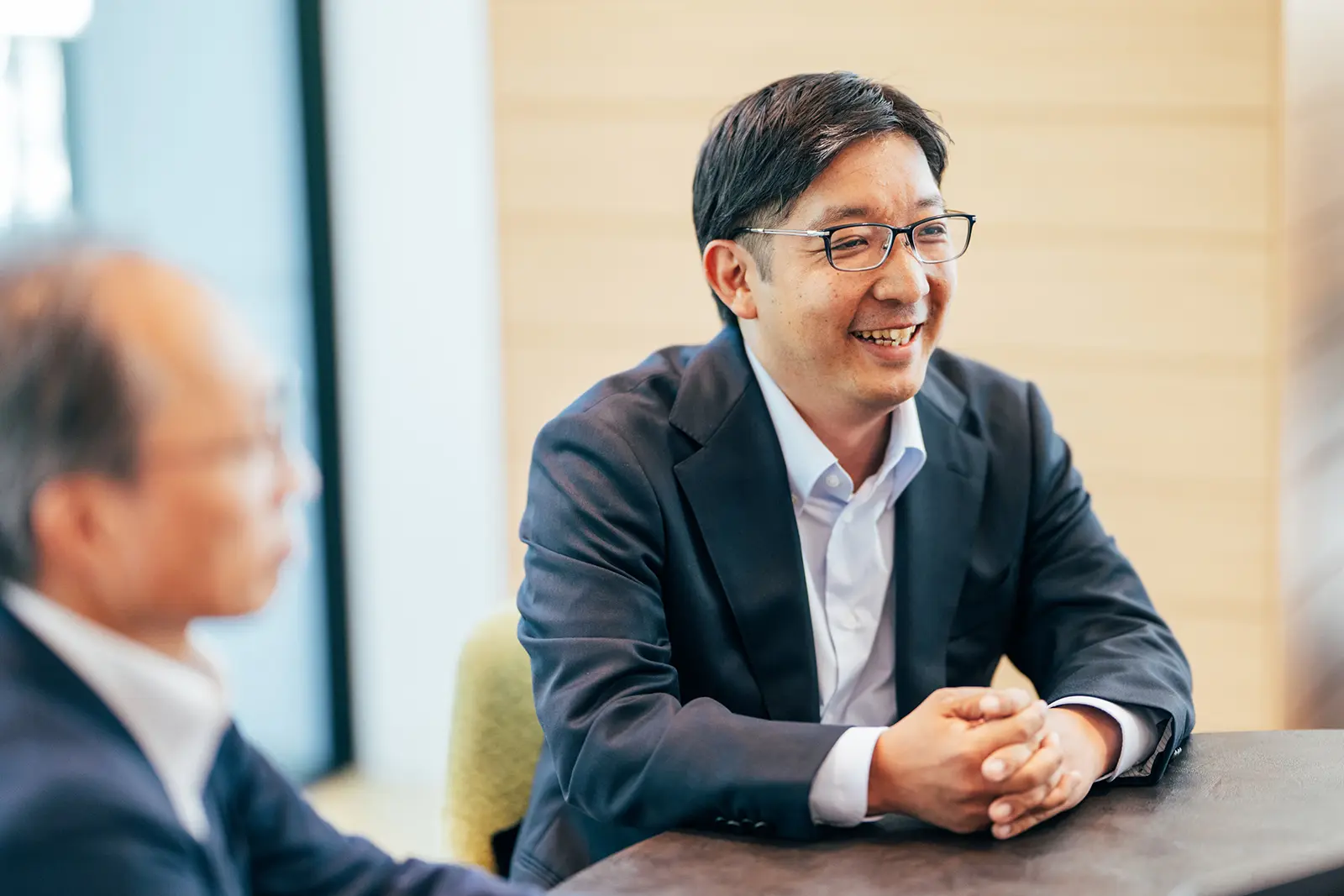
▲Keisuke Miyake
General Manager of Corporate Communications Department, DIC Corporation. His hobbies include listening to music and collecting records, with Oasis and Radiohead being among his favorite artists.
Beyond Chemistry: Creating Value in New Ways
—You mentioned new fields for DIC. From a management perspective, what kind of change does DIC need now?
Tanaka:
Historically, DIC has grown by reliably delivering what customers need through materials like inks, pigments, and polymers. This approach remains an essential foundation that will continue to define DIC going forward.
Under DIC Vision 2030, we are working to evolve our core businesses while nurturing new growth businesses. In that context, it is important for us to demonstrate the ability to go beyond simply providing materials and to propose new forms of value.
Miyake:
In other words, it’s time for us to “go beyond chemistry.”
Tanaka:
Exactly. And that shift has to start with our own mindset.
Changes are already happening. For example, through initiatives such as D2S (Direct to Society), we are beginning efforts to anticipate the future from a perspective closer to people’s daily lives and to create innovative products and businesses based on those insights.
Miyake:
Instead of simply responding to customer requests, we are now asking ourselves: What can we do for society? For DIC’s traditional corporate culture, that is an extraordinarily ambitious challenge.
Tanaka:
Yes, it is. And yet, in recent years, we’ve seen new initiatives emerge in areas like physical AI and drones. There is no doubt that DIC is beginning to change—and we want both internal and external audiences to see that transformation.
How Trust Is Built: The Integrity and Passion of DIC Employees
—People are at the core of these challenges. What aspects of DIC’s employees do you want to showcase through Vision Watch?
Miyake:
First and foremost, I want to share what makes DIC unique. Across nationalities, cultures, and roles, there is one quality shared by our employees: integrity.
I experienced this firsthand during my time in the finance department. At one point, we were given a major group-wide mission to temporarily consolidate cash holdings from around the world in Japan.
Tanaka:
Cross-border fund transfers are extremely complicated. Different countries have different laws and regulations, so moving money across borders takes a tremendous amount of effort.
Miyake:
Exactly. People could easily have said no. But when I worked tirelessly to explain the situation to colleagues in China, Malaysia, Indonesia, Thailand and other countries with whom I had little day-to-day contact, they listened carefully and each considered the best course of action for the benefit of the entire DIC Group.
As a result, we were able to complete the task successfully—and more importantly, it led to stronger relationships of trust across the group that transcended national borders.
Tanaka:
That kind of integrity and collaboration isn’t unique to finance. You see it in sales, operations, and R&D as well.
Miyake:
Of course, mistakes happen. But what makes DIC employees special is that they face mistakes honestly and try to make things better, instead of hiding them. It may not be obvious from the outside, but our customers and business partners recognize it.
I believe that this integrity is DIC’s greatest strength.
Tanaka:
That’s right. DIC employees are sincere and hardworking. But that’s not all. Many employees have a strong inner drive—they are eager to push themselves further and achieve even more. There are people throughout the company who are excited to take on something new. We want to bring those people into the spotlight and share their passion with the world.
Miyake:
I agree. Every year, DIC holds The DIC Way Vision & Core Values Awards, which recognize employees who embody DIC’s values. Award winners gather from across the global DIC Group, and regardless of their nationality, culture, or role, you can feel their passion and enthusiasm.
Tanaka:
We want to bring that passion to the forefront and let more people see it.
Connecting People Across Borders: What “One DIC” Means
—What kind of internal changes do you expect by sharing these stories?
Tanaka:
During my time in the business divisions, I often had the opportunity to see how our products contribute to society. For example, when I worked on pigments for LCD color filters, I saw firsthand how a product developed over many years through the combined efforts of R&D, sales, and production teams contributed to society by improving energy efficiency.
But not every employee gets to experience that sense of social contribution directly.
That’s why it’s important to share these stories across the organization. One person’s experience can inspire others and give them the confidence to take on new challenges themselves.
Miyake:
I’ve had a similar realization. Because I worked across different business units in a corporate function, I had many opportunities to see how deeply DIC’s businesses are embedded in society.
When my son once asked what my company does, I told him: “We are involved in snack packaging, TVs, and semiconductors.”
He was surprised by how diverse our work is.
But internally, many people only see their own business area. By introducing colleagues from different functions and regions, we can help employees see how their own work connects to society and discover new possibilities within DIC.
Tanaka:
It is also important to keep a global perspective. DIC has more than 20,000 employees worldwide, with over 70% of our sales coming from overseas. As we strengthen our global management structure, it’s essential to connect people, knowledge, and challenges across borders and increase our agility as “One DIC.”
Working in such diverse environments requires a broader perspective. You can’t run a global company by looking at just one country.
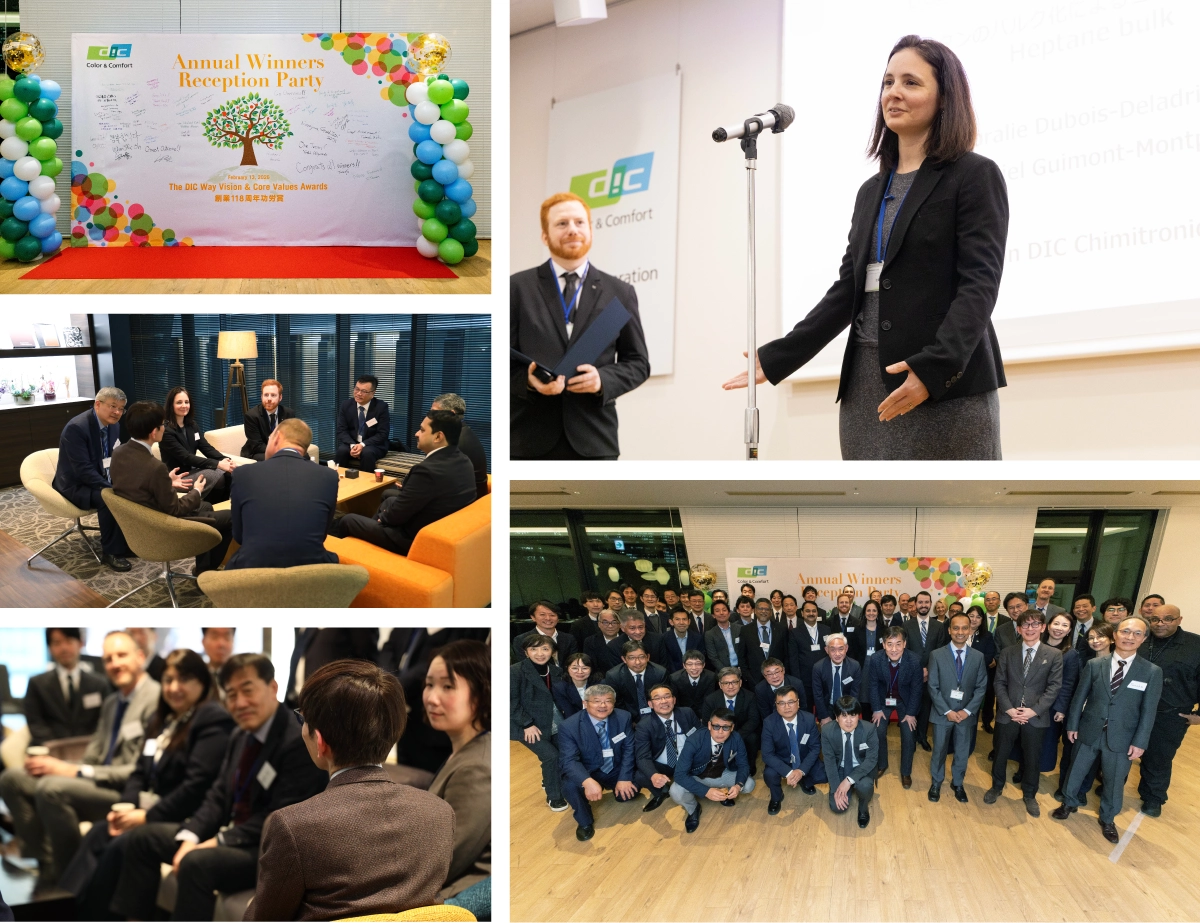
▲Scenes from DIC’s 118th anniversary ceremony in February 2026. Winners of the Exceptional Achievement Awards and The DIC Way Vision & Core Values Awards gathered from around the world.
Recently, I’ve noticed that employees are thinking more from a global perspective. When I read reports or attend meetings, I often find myself thinking, “Five years ago, we wouldn’t have heard comments like that.” More and more employees are looking beyond their own region or business unit and considering how DIC as a whole can create value.
There are many employees around the world taking on new challenges across countries and organizational boundaries. We want to accelerate this “One DIC” movement.
Miyake:
Absolutely. Imagine an employee in Brazil or Argentina —countries on the opposite side of the globe from Japan— appearing in Vision Watch. It would spark new interest and connections within the company. We want to continue showcasing and strengthening those global connections among employees around the world.
Showing the Warmth Behind DIC
—What kind of platform do you want Vision Watch to become?
Miyake:
Vision Watch is a DIC owned media platform, but we do not want it to be just a corporate PR channel.
We want to share not only success stories but also the real, unpolished aspects of our work—our challenges and trial-and-error processes. By doing so, we hope Vision Watch can blur the boundaries between people inside and outside the company.
By showing our genuine selves, we hope to strengthen connections within DIC and encourage potential partners to think, “It could be interesting to work with DIC.”
Tanaka:
Exactly. Many companies are quietly working on remarkable innovations that are not widely known—just like our work in physical AI.
Through Vision Watch, we hope to connect with customers and partners who share DIC’s values and way of thinking and who are excited by the idea of creating something new together. If we can meet those people through this platform and build new businesses together, that would be ideal.
Miyake:
Vision Watch will be right there alongside those efforts. To do that, we need to actively go into the field and uncover the hidden passion and unique initiatives within the company.
We need to keep our antenna up, dive into what is happening on the ground without hesitation, and bring those stories to light.
Tanaka:
That’s encouraging to hear. Having partners who share the same vision is essential for advancing into new areas. First, we want people to understand who we are—and to feel our “warmth,” so to speak.
And if that helps them see the potential of becoming a future partner, we would be delighted.
—Speaking of warmth, what temperature would you say DIC is?
Tanaka:
At first glance, we may seem a little cool and reserved, but if you actually took our temperature, you’d find we’re a surprisingly passionate company. (laughs)
Miyake:
We may even raise our readers’ temperature by a couple of degrees. (laughs) From challenges in uncharted fields to collaborations among people with diverse backgrounds, we will continue sharing exciting stories from across DIC. We hope you’ll look forward to what’s ahead.